Boroló: Modern Living Infused with Bogotá's Heritage
Experience the Fusion of History and Innovation at Boroló
Embracing Teusaquillo's Rich Architectural Fabric
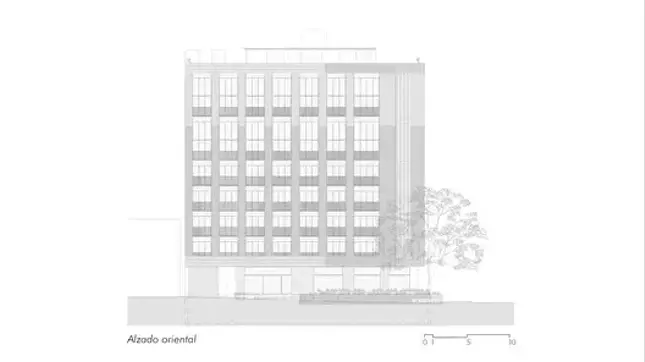
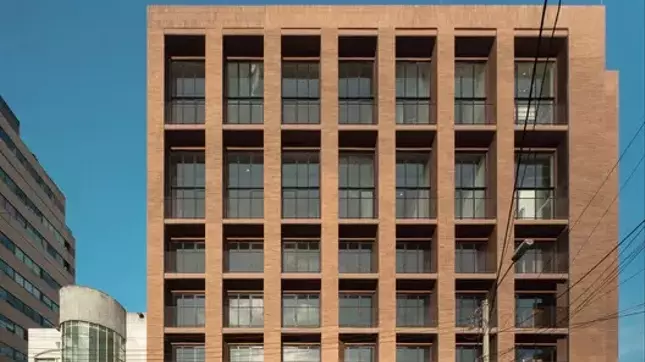
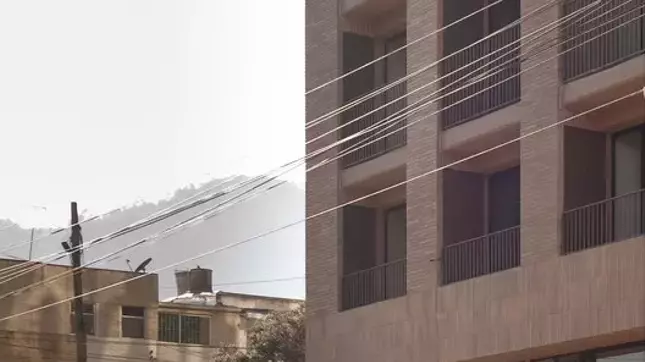
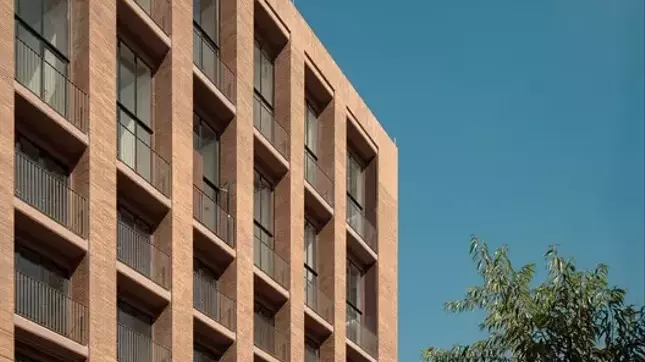
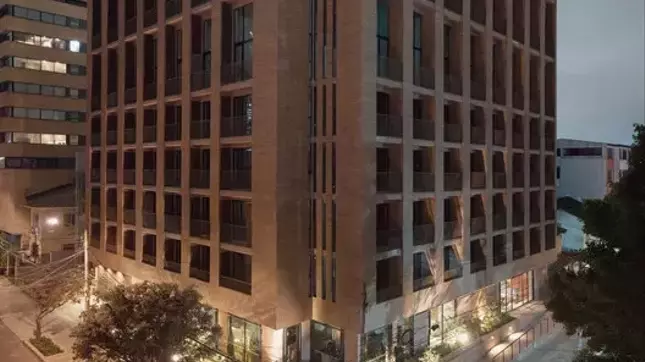
Nestled within Teusaquillo, a neighborhood renowned for its distinctive brick architecture and dynamic cultural scene, Boroló stands as a testament to thoughtful urban integration. This project by AR-AR Martínez Arquitectura y Paisaje + María Paula González Bozzi, completed in 2026, draws inspiration from the traditional building styles that once defined Bogotá, translating them into a sophisticated residential complex for the modern era. The design respectfully acknowledges the area's past, creating a dialogue between the old and the new.
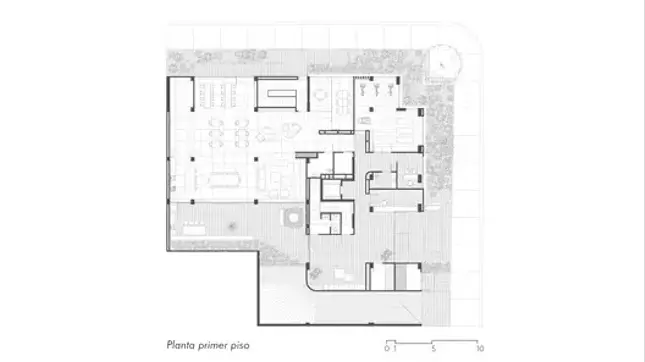
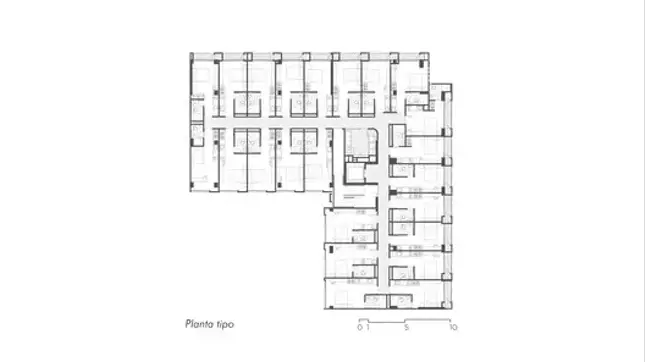
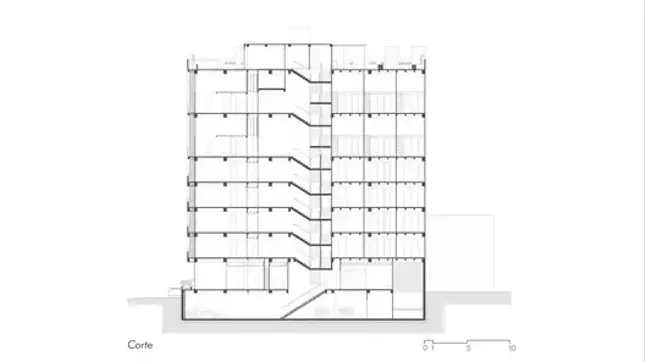
A Contemporary Reinterpretation of Traditional Colombian Homes
Boroló’s architectural concept is rooted in a contemporary reinterpretation of the traditional residences that characterize Bogotá. The design team meticulously blended classic elements with innovative approaches, resulting in a building that feels both familiar and refreshingly modern. This thoughtful synthesis ensures that residents enjoy the comforts of modern living within an environment that echoes the city's storied architectural identity.
Harmonizing with the Urban Landscape
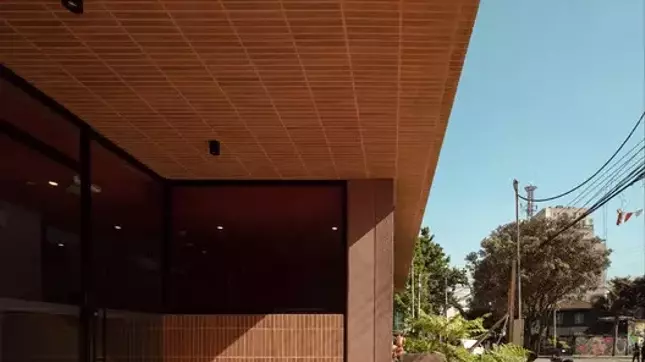
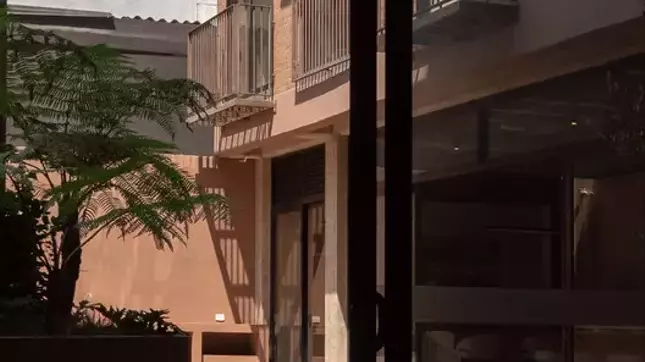
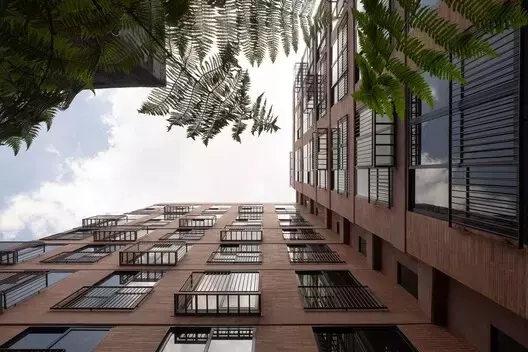
The project’s exterior features and material choices are carefully selected to harmonize with Teusaquillo’s established urban fabric. The use of brick, a dominant material in the neighborhood's historic buildings, is not merely a stylistic choice but a conscious effort to continue a material legacy. This approach allows Boroló to seamlessly integrate into its surroundings, contributing to the visual coherence and aesthetic appeal of the district.
Modern Amenities and Design for Urban Lifestyles
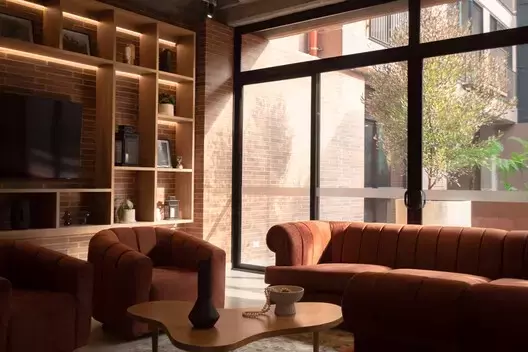
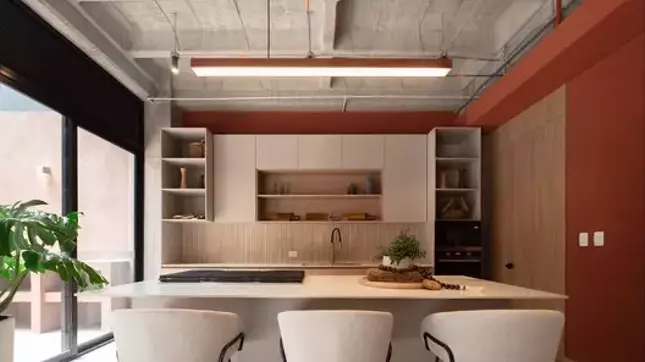
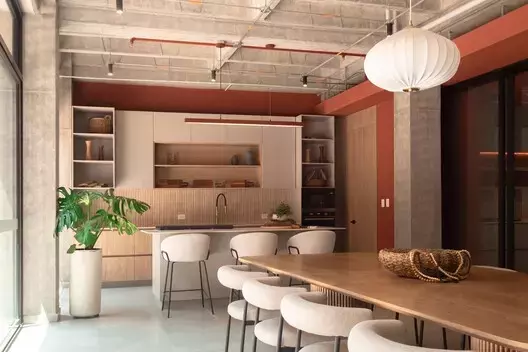
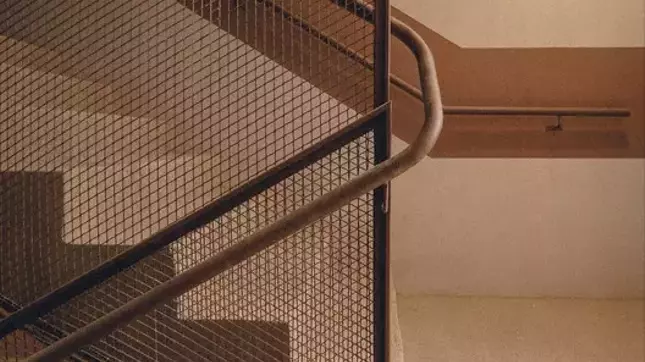
Beyond its exterior, Boroló offers meticulously designed interiors that cater to contemporary urban lifestyles. The apartments are crafted to provide comfort, functionality, and aesthetic pleasure, featuring layouts that maximize natural light and space. The thoughtful planning extends to every detail, ensuring a high-quality living experience that meets the demands of modern residents.
A Vision for the Future of Bogotá's Residential Architecture
Boroló represents more than just a housing complex; it embodies a vision for the future of residential architecture in Bogotá. By skillfully blending historical reverence with modern innovation, the project sets a precedent for developments that can enhance urban environments while preserving their unique cultural essence. It offers a fresh perspective on how new constructions can contribute positively to the character and vibrancy of historic neighborhoods.