Adaptive Reuse: Casa Emilio Delporte by Citic in Providencia, Chile
In 2022, the architectural firm Citic completed the Casa Emilio Delporte project, a significant residential renovation in Providencia, Santiago. This endeavor breathes new life into a historic 1929 structure originally designed by the esteemed architect Luciano Kulczewski. Spanning 140 square meters, the project aims to create a 'house for conversation,' fostering a deep connection between its inhabitants and the surrounding ecological environment. The design thoughtfully integrates natural materials such as wood, glass, and brick, honoring the building's past while embracing modern living.
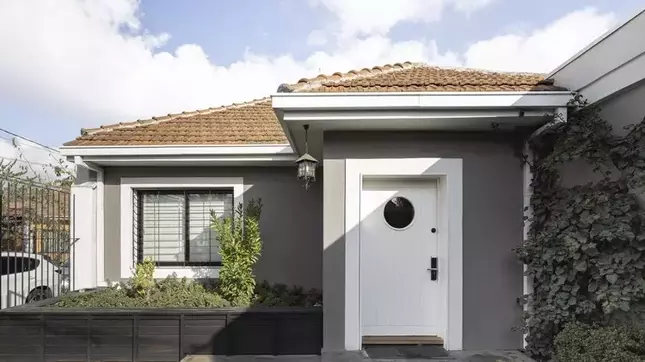
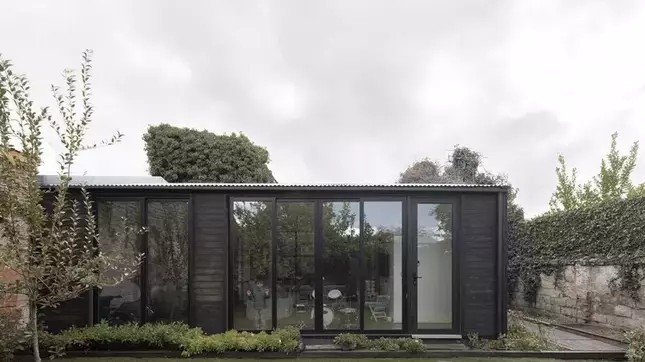
A Symphony of History and Modernity: The Transformation of Casa Emilio Delporte
Nestled within the vibrant district of Providencia, Santiago, the Casa Emilio Delporte project stands as a testament to thoughtful adaptive reuse. Completed in 2022 by Citic, this residential dwelling reimagines a 140-square-meter home originally conceived by architect Luciano Kulczewski in 1929, part of the Arturo Prat Cooperative Housing. The renovation was guided by a philosophy that views a home not merely as a structure, but as a biological entity designed to foster harmony and dialogue between its residents and the natural world. The architectural approach meticulously preserved the historical essence of the original structure while infusing it with contemporary elements. Significant attention was paid to material selection, with extensive use of warm wood, transparent glass, and robust brick, each contributing to a rich tactile and visual experience. Ignacio Squella's photography eloquently captures the interplay of these materials, showcasing the seamless integration of old and new. This project by Citic, overseen by a skilled lead team, is a remarkable illustration of how architectural heritage can be reinterpreted to meet modern needs, creating spaces that are both historically resonant and forward-looking. The residence embodies a dialogue between eras, inviting both intimate moments and broader engagement with its surroundings.
The successful revitalization of Casa Emilio Delporte offers profound insights into the potential of adaptive reuse in urban environments. It underscores the importance of recognizing the inherent value in existing structures and creatively re-purposing them to serve contemporary society. This project challenges us to consider our homes as living ecosystems, where design can actively contribute to a sense of well-being and connection. It highlights that true architectural innovation often lies not in building anew, but in thoughtfully transforming what already exists, enriching both individual lives and the collective urban fabric. The careful balance between preserving history and embracing modernity serves as a compelling model for future sustainable development.