Advanced Bass Fishing Strategies: Lures, Flies, and Seasonal Tactics
Unlocking Angling Success: Mastering Bass Behavior and Lure Selection
The Allure of Natural Presentation in Bass Fishing
Bass are opportunistic predators, drawn to anything resembling natural food sources. The key to successful angling lies in presenting baits that authentically mimic the appearance, scent, or movement of their prey. However, this principle is not absolute; lures that appear out of place in a specific environment or season can deter rather than attract fish. Understanding seasonal variations in bass diet is crucial for maximizing strike rates.
Seasonal Dietary Shifts: The Autumnal Insect Influence
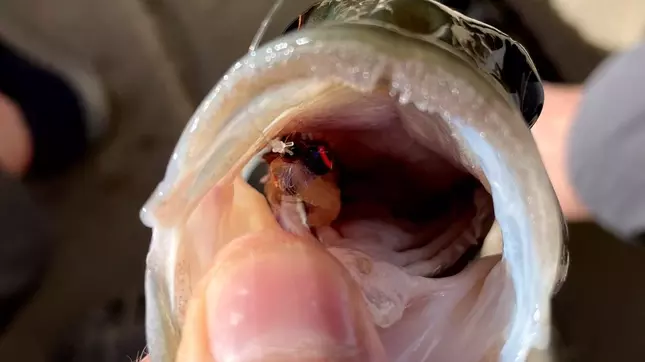
While bass primarily consume minnows, frogs, crayfish, and juvenile fish during summer, their diet undergoes a significant shift as autumn approaches. Cooler temperatures trigger an instinctual change, making terrestrial insects a more prominent food source. As insects become less active and more prone to falling into the water, bass begin to actively patrol shorelines, seeking these readily available meals. This dietary adjustment provides a unique opportunity for anglers to capitalize on insect-imitating lures.
Historical and Modern Insect Mimicry in Lures
The concept of bug-like lures is far from new. Early innovations like "The Flying Hellgrammite" in 1883 demonstrated the effectiveness of mimicking natural larvae. Later, iconic topwater lures such as the Jitterbug (1939), WOW (later renamed Crazy Crawler), and Hula Popper emerged, proving their enduring appeal to bass. These lures, though not always exact replicas, suggest an insect or small creature to bass. Contemporary lures, such as the Rebel Crickhopper and Bumblebug, offer more refined, realistic insect imitations, ranging in size from delicate 1/10-ounce models to more substantial 3/8-ounce options.
Strategic Downsizing: Matching Lure Size to Bass Behavior
Counterintuitively, smaller insect baits can often yield better results, attracting bass of various sizes. Anglers have observed that early fall bass, even larger specimens, readily strike smaller lures, suggesting a preference for more manageable bites as the season progresses. Using ultralight tackle, such as a medium-action spinning rod with 4- to 6-pound monofilament, complements these diminutive baits, allowing for greater casting distance and sensitivity.
Optimizing Lure Placement and Retrieval for Insect Baits
Insect lures are most effective when fished along overgrown banks, where bass anticipate finding fallen insects. Their compact size and minimal movement requirements make them ideal for quiet farm ponds and tranquil streams. Even in faster rivers, these lures can be successful if kept in slack water. The retrieval technique should mirror natural insect behavior: brief periods of immobility followed by sporadic, erratic movements. Sometimes, simply letting the lure rest on the water's surface can provoke a sudden strike. Ultimately, catering to the bass's preferences, rather than an angler's preconceived notions, leads to greater success.
Adapting Fly Fishing for Fall Bass: Beyond Traditional Techniques
When cold weather sets in, and traditional baitfish become less active, large-profile flies can be surprisingly effective, even in chilly water. Anglers, like striper guide Dan Marini, have found success by adapting fly-fishing techniques to mimic the size and action of conventional bass lures. This involves using sinking-head lines to reach deeper strike zones and employing innovative fly designs that replicate the movements of larger prey.
Innovations in Fly Design: Weighting and Material Selection
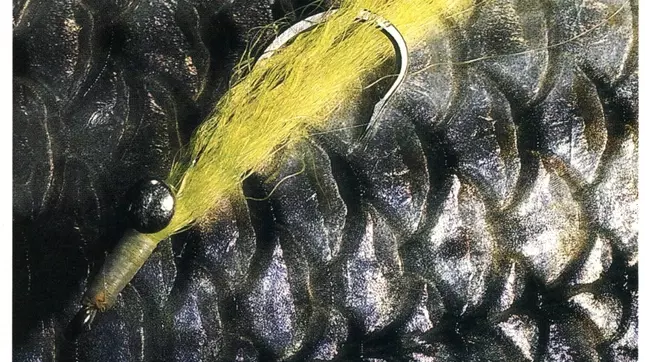
The evolution of fly design, influenced by pioneers like Bob Clouser with his Deep Minnow streamer, has introduced various weighting systems. Beads, cone-shaped heads, and epoxies not only help flies sink efficiently but also enhance their action. The placement and weight of these components can create diverse jigging motions. Modern fly tiers experiment with opaque and translucent materials to adjust the silhouette and shimmer of flies, making them adaptable to different water clarities and light conditions. For imitating larger jerkbaits, flies significantly longer than the typical 3-3.5 inches are often required, sometimes reaching the length from a human's fingertip to the middle of the palm.
Alternative Fly Patterns for Specific Bass Preferences
When bass prefer bottom-dwelling prey or worms, alternative fly patterns like the Woolly Bugger or various leech imitations prove effective. Drawing inspiration from saltwater techniques, patterns such as Lou Tabory's Snake Fly, which undulates like an eel, can closely mimic the action of weighted plastic worms or jigs. For fly tiers, custom Tubelet flies with conehead weights and rubber tentacles offer further versatility. Experienced anglers, like Dan Marini, target sharp drops near submerged structures in cold water, understanding that bass will feed even in temperatures as low as 38 degrees Fahrenheit, though smallmouth bass can be more unpredictable in their fall patterns.
The Autumnal Advantage: Heavy Bass and Strategic Vulnerability
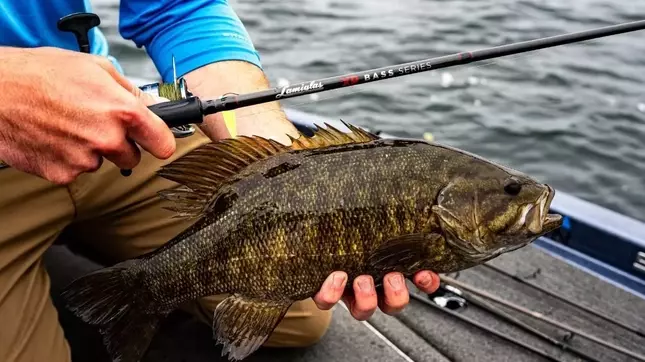
During the fall, mature female bass can carry substantial weight due to developing eggs, making them prime targets. While most record-setting bass are caught in spring during the spawning season when they are congregated and vulnerable, bass can regain or even exceed their pre-spawn weight by fall due to intensive feeding. According to experts like Gene Gilliland, bass undertake a feeding binge after spawning to recover lost weight. Although they disperse and become harder to locate post-spawn, understanding their renewed feeding habits in autumn can lead to significant catches for observant anglers.