Apples vs. Bananas: Navigating Blood Sugar for Health-Conscious Eaters
Unlock Stable Blood Sugar: Your Guide to Fruit Choices and Healthy Living!
Apples and Bananas: A Sweet Dilemma for Blood Sugar
When you're rushing out the door, grabbing a piece of fruit like an apple or a banana is a quick and easy solution. These two fruits are incredibly popular in the U.S. due to their convenience and delicious taste. However, if you're trying to keep your blood sugar in check, you might wonder if their natural sugar content makes them off-limits. The good news is, there's no need to cut them out entirely. Both offer essential nutrients that are vital for your health. The key lies in understanding how they impact your blood sugar and how to enjoy them smartly.
Evaluating the Impact of Bananas on Glucose Levels
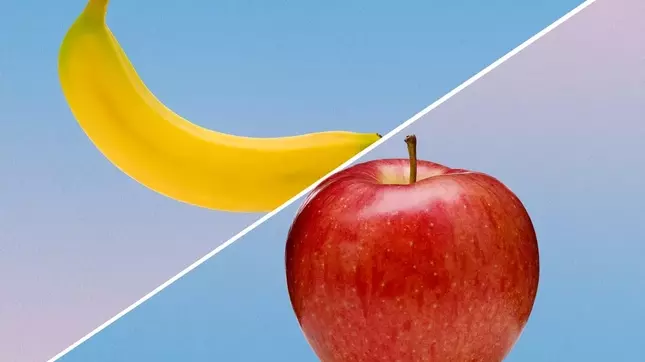
Bananas often get a bad reputation for being high in carbohydrates, but this doesn't mean they're unsuitable for blood sugar management. A medium ripe banana typically contains about 27 grams of carbohydrates and 14 grams of sugar. However, it also boasts around 3 grams of fiber, a crucial nutrient that helps to mitigate the sugar's impact on your blood glucose. Several factors can influence how a banana affects your blood sugar, including its size and ripeness. Larger bananas will generally cause a quicker rise in blood sugar due to their higher carbohydrate content. Additionally, greener, less ripe bananas have more resistant starch and a lower glycemic impact compared to their sweeter, fully ripe counterparts.
Exploring the Blood Sugar Response to Apples
Apples tend to have a more gradual effect on blood sugar, largely due to their higher fiber content, especially soluble fiber like pectin. Pectin slows down carbohydrate absorption, contributing to a more stable glucose response. This beneficial fiber also supports healthy gut bacteria, which can have anti-inflammatory effects. A medium apple contains approximately 25 grams of carbohydrates, 19 grams of sugar, and 4 grams of fiber. To maximize fiber intake, it's best to eat apples with their skin on. Similar to bananas, the size of the apple matters, with smaller apples having less impact on blood sugar than larger ones.
Holistic Strategies for Optimal Blood Sugar Management
Beyond choosing the right fruits, several other strategies can significantly improve blood sugar control. One effective method is to pair carbohydrates with protein. Consuming fruits with a source of protein, such as peanut butter, cheese, or nuts, helps to slow down digestion and stabilize blood sugar levels. Portion control is also vital; instead of eliminating favorite foods, focus on smaller servings within a balanced diet rich in fiber, protein, and healthy fats. Incorporating physical activity, such as a short walk after meals, can also help muscles absorb glucose from the bloodstream more efficiently, reducing post-meal blood sugar spikes. Lastly, never underestimate the importance of adequate sleep, as consistent sleep deprivation can negatively impact your blood sugar regulation. Aim for seven to nine hours of quality sleep each night to support overall metabolic health.