Baking with Acidic Foods: Avoiding Metallic Tastes with Alternative Cookware
When preparing meals, encountering a metallic flavor is often an unexpected and undesirable outcome, especially after investing considerable time in a dish. This common issue frequently arises when acidic ingredients interact with aluminum cooking vessels. Whether using disposable foil trays or robust aluminum baking sheets, the presence of acids, such as those found in tomatoes, can trigger a chemical reaction that imparts an unpleasant taste to your culinary creations. However, various alternative materials and techniques can mitigate this problem, ensuring your dishes retain their intended flavors.
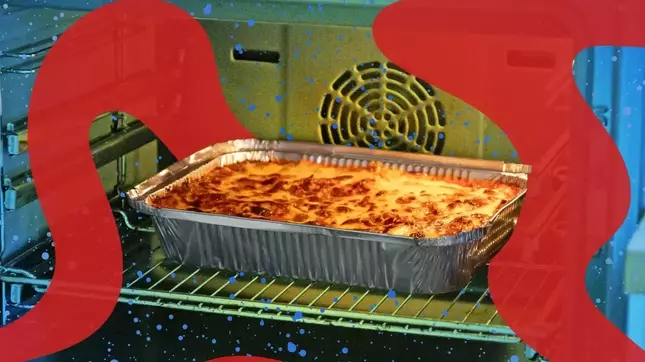
Dr. Stephanie Smith, a prominent consumer food safety specialist and associate professor at Washington State University, offers valuable insights into the phenomenon of metallic taste in food cooked in aluminum. She explains that highly acidic foods, including a range of fruits, berries, wines, vinegars, and especially tomatoes, possess low pH levels due to their elevated hydrogen content. When these acidic substances come into contact with aluminum, a chemical reaction ensues between the metal and the hydrogen ions. While the human body typically eliminates ingested aluminum efficiently, individuals with kidney conditions may be susceptible to aluminum accumulation, leading to health concerns.
Dr. Smith assures that, for most people, cooking with aluminum foil, pots, and pans is generally safe. However, she advises those concerned about aluminum exposure to avoid using aluminum cookware for acidic foods. To determine if your current cookware is aluminum, Dr. Smith suggests checking for manufacturer labels on the pan's base. Aluminum pans are notably lighter than their stainless steel counterparts, providing a tactile clue. Additionally, performing a magnet test can be a good indicator, as aluminum is not magnetic, though she cautions that some other non-magnetic metals exist, making it a useful but not definitive test.
For those seeking alternatives or preventative measures, Dr. Smith proposes several effective strategies. She recommends using materials like stainless steel, ceramic, and glass for baking and cooking. Furthermore, employing silicone liners or parchment paper as protective barriers when baking in aluminum can prevent direct contact between acidic foods and the metal. These solutions ensure that your cooking experience remains free from unwanted metallic undertones.
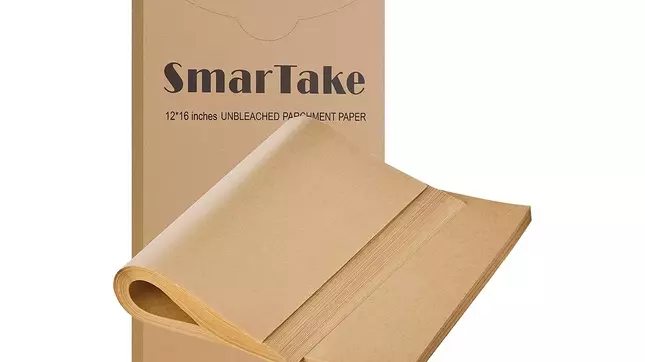
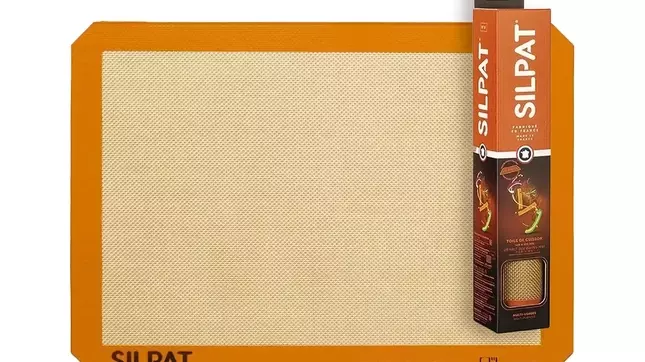
Among the practical solutions, parchment paper stands out as a convenient barrier. Pre-cut parchment sheets are particularly useful, eliminating the need to tear and size rolls, thereby streamlining meal preparation. For instance, Smartake offers pre-cut parchment paper baking sheets that simplify the process. Another excellent option is a silicone baking mat, which effectively prevents chemical reactions. While silicone mats might prolong baking times or slightly alter browning due to their insulating properties, they are ideal for delicate preparations where gentle cooking is desired, such as slow-braised tomatoes or oven-dried fruits. These tools are often favored in professional kitchens for their specific benefits.
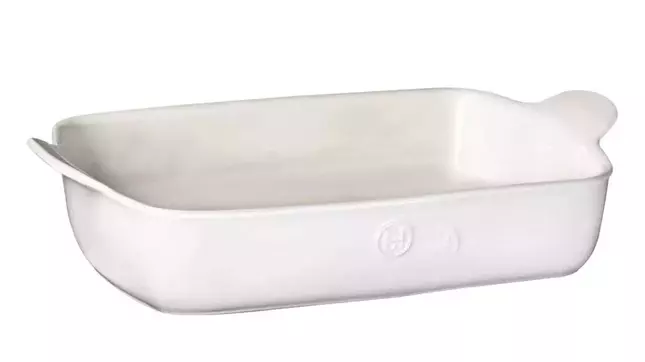
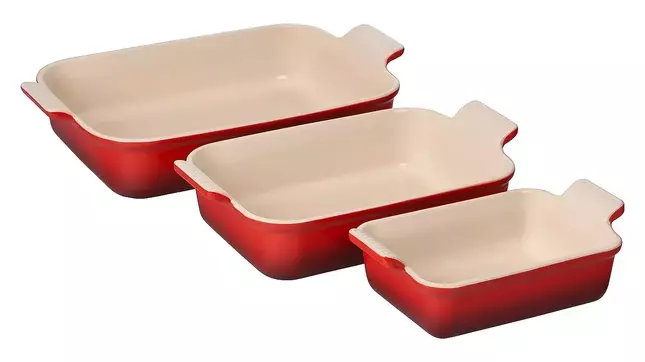
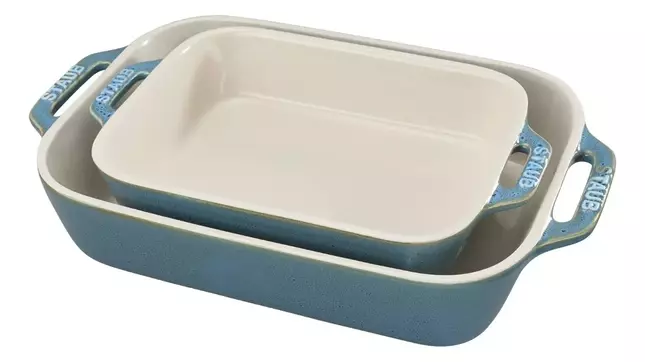
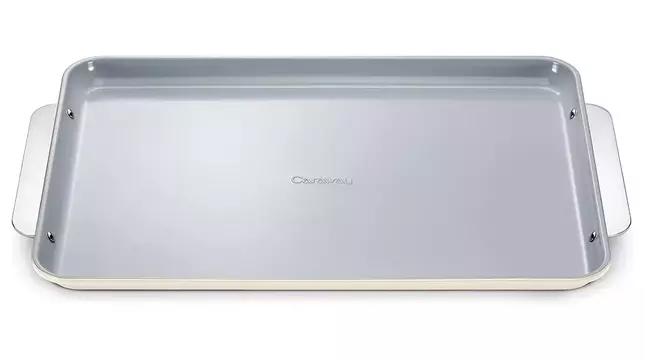
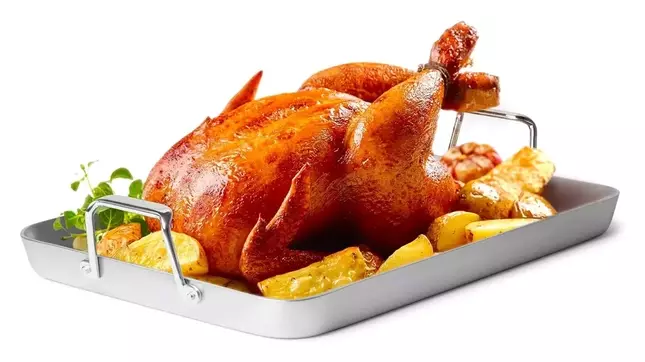
Investing in quality stoneware baking dishes provides a durable and non-reactive alternative to disposable aluminum pans. Sets like the Le Creuset stoneware dishes offer excellent value, providing multiple pans that are safe for all types of dishes, including acidic ones. Similarly, Staub ceramic bakeware, though often more modestly priced than Le Creuset, performs exceptionally well, gently baking and browning both sweet and savory recipes without any concerns about reactivity. Caraway's nonstick ceramic baking sheets also offer a convenient solution for direct cooking, boasting a sleek coating that ensures easy cleanup, even with notoriously sticky foods. For roasting, the Misen stainless steel roasting pan, despite its sheet pan design, delivers remarkably crispy results and features robust handles for easy handling. Finally, Emile Henry stoneware baking dishes are highly regarded for their high-quality material, generous dimensions, and aesthetic appeal, providing an incredibly deep vessel perfect for casseroles, lasagnas, and large baked goods, consistently delivering beautiful and even cooking results.