The Best Oat Milk for Every Occasion: A Comprehensive Taste Test
In an extensive evaluation, fourteen widely available oat milk varieties were subjected to a blind taste test to determine the superior option. The assessment focused on attributes such as mouthfeel, sweetness, and the distinct flavor profile of oats. The results designated Oatly Full Fat Oatmilk as the premier choice, with 365 by Whole Foods Original Oatmilk earning recognition as a commendable alternative.

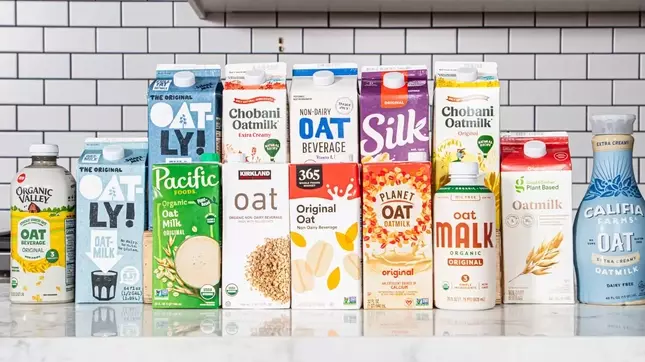
Oat milk has emerged as a prominent dairy-free alternative, prized for its ability to mimic the creamy texture of traditional milk, its resistance to curdling in hot beverages, and its excellent frothing capabilities, making it ideal for espresso-based drinks. Beyond coffee, its versatility extends to various culinary applications, including cereals, oatmeal, and even packaged macaroni and cheese. The increasing demand for oat milk has led to a proliferation of products, ranging from “original” to “barista” and “extra creamy” blends, alongside minimalist “clean” options composed solely of oats and water. This diversity prompts a crucial question: What truly defines a high-quality, adaptable oat milk? Does simplicity in ingredients equate to superiority, or do added components like gums and oils enhance the overall experience?
To address these questions, a rigorous taste test was conducted involving 14 popular brands, meticulously evaluated in random order to prevent bias. Participants scrutinized each sample for its mouthfeel, sweetness, and the nuanced "nutty, earthy, and warm" characteristics of oat flavor. The findings revealed that the most successful dairy alternatives should closely replicate the qualities of dairy milk. While acknowledging that oat milk will never precisely match dairy milk, the ideal substitute should possess a rich, coating texture and a subtle sweetness, devoid of any grittiness or gumminess. The sweetness should be natural and understated, avoiding an artificial sugary taste. Furthermore, the flavor should be clean and pure, without any artificial notes, allowing the authentic oat essence to shine through.
Oatly Full Fat Oatmilk captivated testers with its inviting oat flavor. One editor described it as "warm and cereal-like," while another praised its "neutral and subtly sweet" profile. Despite one tester noting a slightly chalky texture, the overall consensus highlighted its pleasant oatiness. The most striking characteristic, however, was its exceptional creaminess, akin to whole milk. Descriptions such as "thick, viscous, and ultra-smooth" and "milky texture" underscored its remarkable consistency. This particular oat milk was so well-received that some editors expressed willingness to consume it plain, indicating its superior drinkability.
The runner-up, 365 by Whole Foods Original Oatmilk, also impressed with its authentic oat flavor and balanced sweetness. While one tester observed a "powdery, slightly gritty mouthfeel," this was viewed positively as a sign of minimal processing. Other tasters did not detect this grittiness, instead commending its rich consistency. Comments ranged from "Finally, a milk texture" to observations about its thickness. Despite some debate over whether it was "too thick," its suitability for cooking was acknowledged. Overall, it was lauded for being "not super sweet or overly salty." It was noted for its pronounced oat-forward taste, described as "more natural, less processed." However, some detected a subtle bitter aftertaste and a "slightly chalky" finish, which detracted from its appeal for a few.
The successful oat milks, including the winner and runner-up, share similar ingredient profiles. They typically feature an oat and water base, often supplemented with a small percentage of oil (such as rapeseed or sunflower seed oil), calcium carbonate, tricalcium phosphate, sea salt, and vitamins. The distinction in texture and flavor often lies in the processing methods and the inclusion of specific additives. For instance, Oatly employs a patented process involving enzymatic breakdown of oat starches into sugars, enhancing sweetness naturally. This meticulous process, coupled with careful filtration and heat treatment, contributes to its superior quality.
It was evident that oat milks consisting solely of oats and water tended to be thin and lacking in richness. The addition of oils and other ingredients proved crucial in replicating the desirable creamy, smooth body characteristic of dairy milk. This is because dairy milk's butterfat contributes significantly to its mouth-coating texture, a quality that plant-based alternatives must achieve through carefully formulated additions. Conversely, lower-performing oat milks often utilized oat flour, resulting in a gritty texture and an undesirable raw-flour taste. Furthermore, excessive reliance on gums, such as gellan or locust bean gum, without adequate fat content, led to a gluey or slimy consistency. Notably, the full-fat variant of Oatly surpassed its original counterpart in creaminess due to a higher rapeseed oil content, demonstrating the importance of fat in achieving a truly milk-like texture.