Drought-Resistant Perennials for Cottage Gardens
The charm of an English cottage garden, with its abundant and informal floral displays, is cherished globally. However, recent consecutive hot and dry summers have prompted British gardeners to reconsider how to preserve this romantic style in an evolving climate. The solution likely lies in selecting more robust plant varieties.
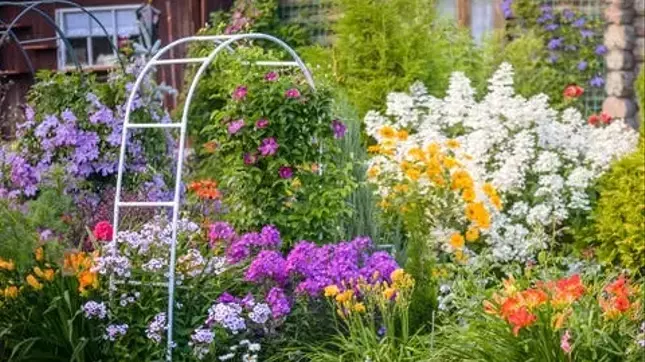
Cultivating a garden resistant to drought doesn't necessitate a sparse or Mediterranean appearance. Charlotte McGrattan, a buyer for hardy nursery stock at Hillier Garden Centres, emphasizes that numerous resilient perennials can still provide the 'relaxed, colorful aesthetic of a traditional cottage garden,' all while being better equipped to endure extended periods of heat and dryness. By embracing a hardier plant palette, the English cottage garden can continue to flourish.
Selecting Resilient Plants for Enduring Beauty
To ensure your garden bursts with vibrant flowers, color, and movement next year, the optimal time for planting is now. Environmentalist Nick Mann, founder of Habitat Aid, advises that autumn is the ideal season for planting or sowing if you aim for a cottage garden look next summer. This timing is crucial as plants are increasingly likely to encounter dry conditions in spring. Planting in October allows root systems to establish thoroughly over winter, which typically results in stronger, healthier plants and a more spectacular display the following year. For gardeners in the U.S., fall planting is also beneficial in many regions, but it's essential to consider local climate and frost dates before proceeding.
Several drought-tolerant perennials are perfect for creating a romantic cottage garden that can withstand hotter, drier summers. Catmint, or Nepeta, is an excellent choice for maintaining a soft, romantic feel. Dr. Russell Sharp, founder of Eutrema, notes that catmint offers a 'loose romantic cottage-garden look' and performs well in hot, dry weather. Varieties like 'Walker's Low' and 'Purrsian Blue' feature attractive gray-green foliage and long-lasting violet flowers. Plant catmint around paths or at the front of borders in full sun with well-draining soil, ensuring ample space for spread (18 to 24 inches). Initial watering is crucial, but once established, it requires minimal attention. Perennial salvia provides a resilient alternative to delphiniums and lupines, offering similar vertical structure with superior drought tolerance. Russell recommends Salvia nemorosa 'Caradonna' for its dark stems and strong flower spikes. Salvias thrive in full sun and well-drained soil, making them ideal for sunny borders that don't become waterlogged. Yarrow, or Achillea, is perfect for dry spells, adding a relaxed, meadowy quality with its flat flower heads. It’s a good substitute for garden phlox in quick-drying soils, preferring full sun and lean, well-drained conditions. Russell suggests 'Terracotta' for warm tones or 'Moonshine' for softer yellow hues. Echinacea, or coneflower, is prized for its vibrant color and resilience; Charlotte McGrattan notes its deep roots allow access to moisture, making it well-suited for long, dry summers. Sedums bring diverse textures to cottage gardens, especially in sunny, dry borders. Charlotte highlights their evolving appearance throughout the season, with star-shaped flowers that deepen in color into autumn. Sea holly, or Eryngium, is suitable for the toughest, sunniest spots, with spiky blue flowers and silvery stems providing architectural contrast. Russell recommends Eryngium 'Big Blue' for its striking appearance, emphasizing the need for full sun and excellent drainage. Macedonian Scabious, with its airy, informal burgundy-red pincushion flowers, threads elegantly through other plants, thriving in full sun and well-drained soil. Autumn planting is particularly beneficial for its root establishment. Finally, wild marjoram, recommended by Nick Mann for mixed planting schemes, flowers for weeks through midsummer. Its dense clusters of small pink flowers serve as an informal filler, and its aromatic leaves are also suitable for culinary use, bridging the gap between traditional aesthetics and modern climate resilience.
Adapting to Climate Challenges with Hardier Choices
As climate patterns shift, gardeners are increasingly seeking plants that can thrive under more extreme conditions, such as hotter, drier summers, without sacrificing aesthetic appeal. The traditional cottage garden, known for its lush, informal beauty, faces new challenges that necessitate a strategic adaptation in plant selection. Embracing drought-tolerant perennials allows for the preservation of this cherished gardening style while enhancing the garden's resilience against environmental stresses. This approach ensures that gardens remain vibrant and healthy, even as seasonal weather patterns become more unpredictable, offering long-term sustainability and beauty.
The integration of drought-tolerant plants into cottage garden designs not only addresses climatic concerns but also opens up opportunities to introduce new textures, forms, and colors, enriching the garden's overall character. For example, the spiky blue flower heads of sea holly provide a striking contrast to softer foliage, while sedums offer interesting sculptural forms that persist well into autumn. These plants often require less water once established, reducing maintenance efforts and promoting water conservation—a significant benefit in water-stressed regions. Furthermore, many of these resilient species are attractive to pollinators, contributing to local biodiversity. By carefully selecting and strategically planting these hardier perennials, gardeners can cultivate spaces that are not only beautiful and evocative of the classic cottage garden but also robust, sustainable, and better equipped to flourish in a changing climate, proving that beauty and resilience can indeed coexist harmoniously in the garden.