The Dutch Central Bank Reimagined: Mecanoo's Vision for Public Engagement
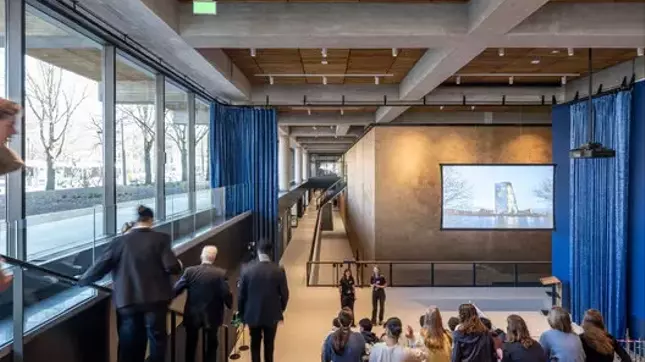
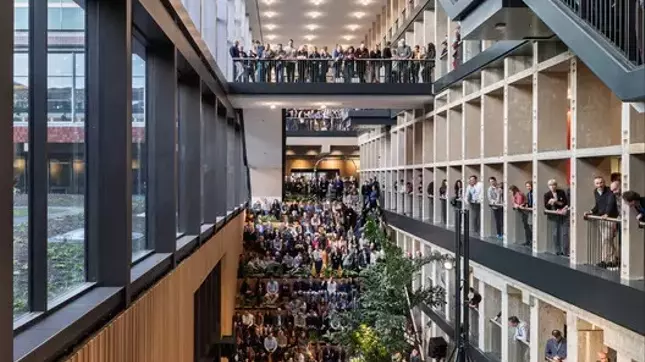
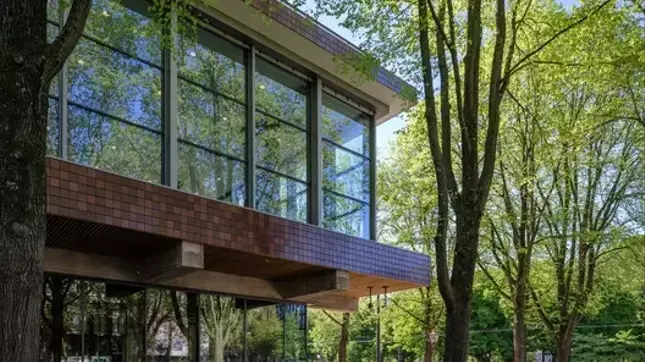
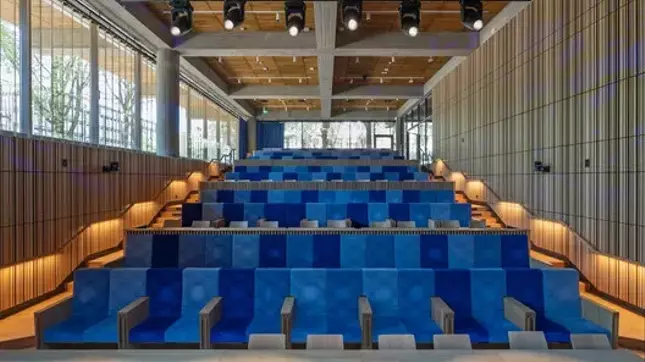
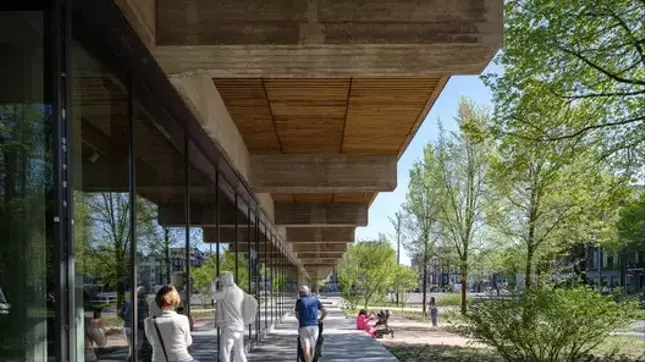
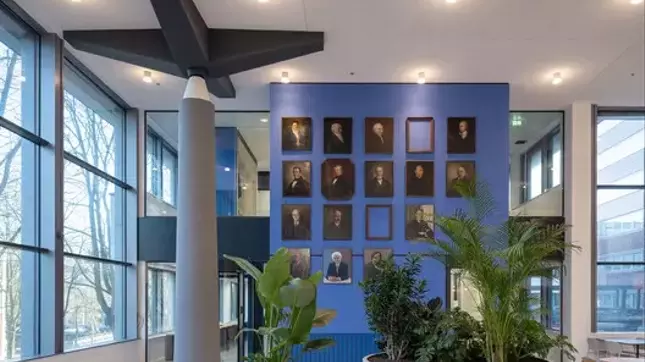
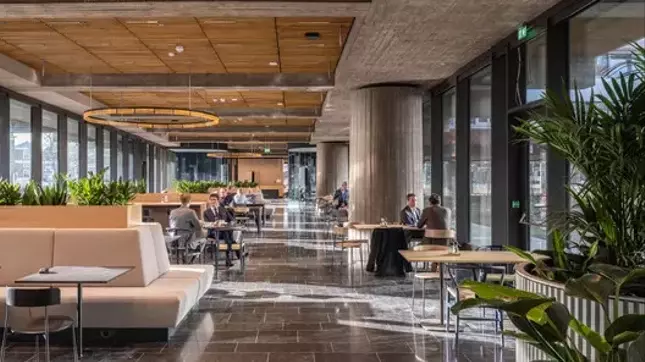
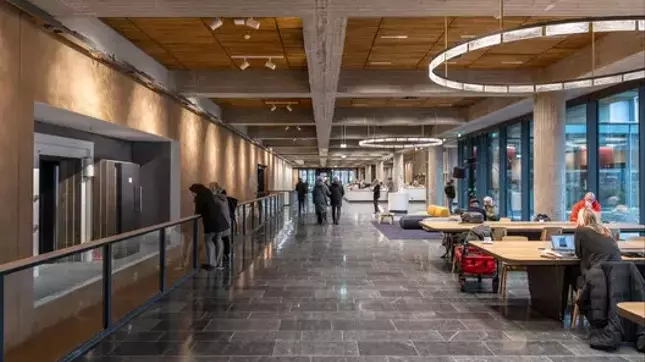
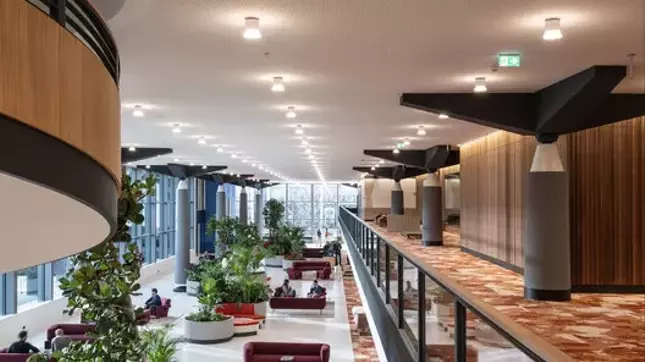
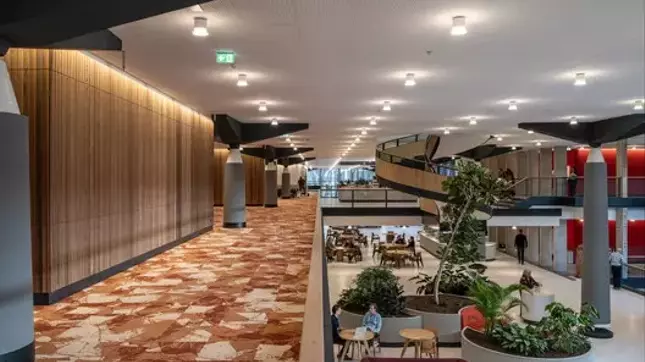
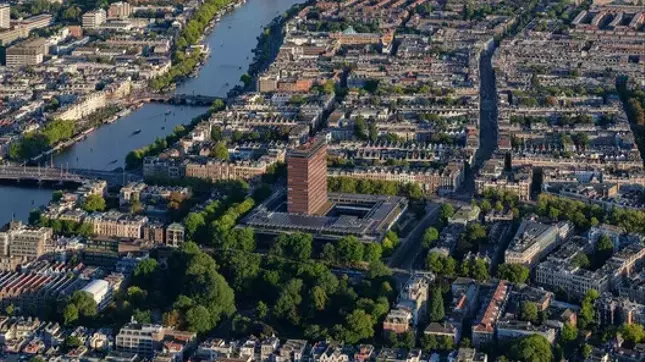
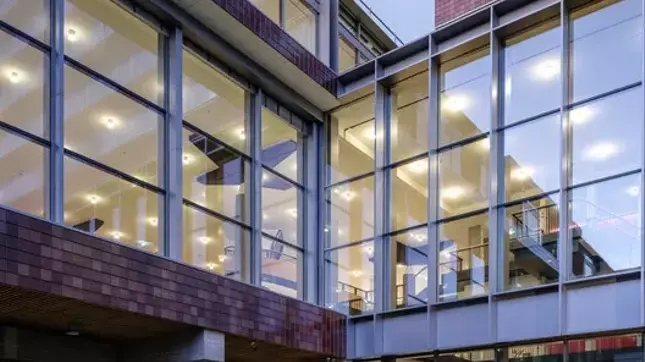
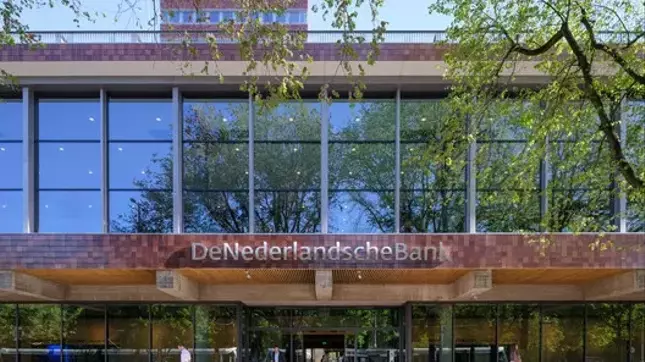
De Nederlandsche Bank (DNB) building, originally constructed in 1968 and situated on Amsterdam's historic 'Utrechtse Poort' site, is undergoing a significant transformation by Mecanoo architects. This ambitious project aims to convert the formerly fortified central bank into a welcoming public space, shifting its identity from an impenetrable fortress to an accessible institution. The renovation, expected to conclude in 2025, follows the relocation of the bank's gold reserves and banknote operations, creating an unparalleled opportunity for reimagining its role within the urban landscape. This endeavor not only addresses the building's outdated functionality and aesthetic but also revives the site's historical ethos, which once hosted the innovative Paleis voor Volksvlijt, a beacon of cultural and economic integration envisioned by Samuel Sarphati.
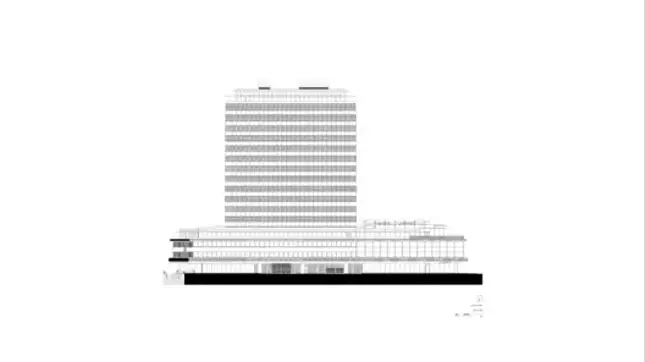
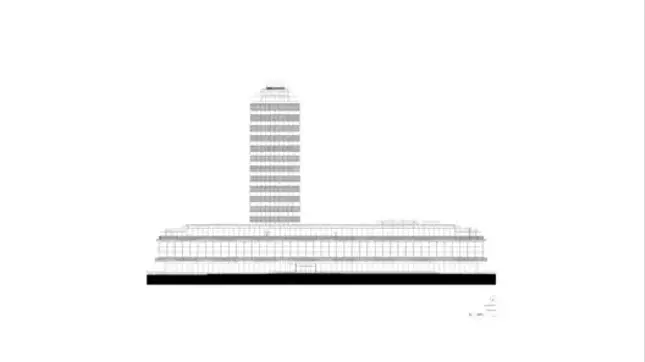
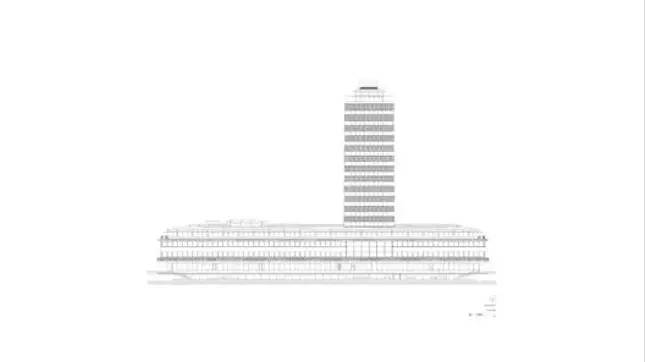
The Reimagining of De Nederlandsche Bank: A Detailed Overview
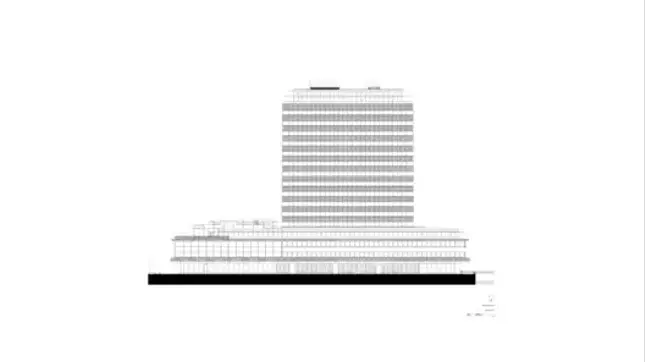
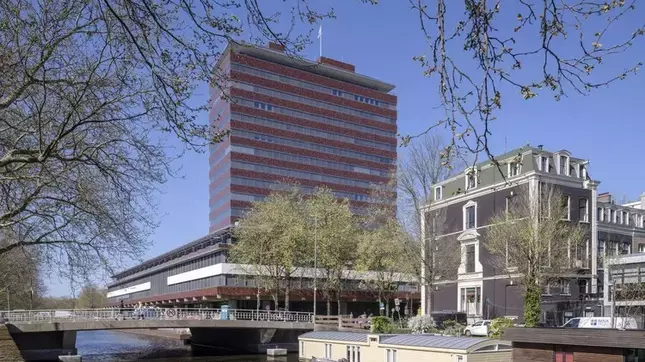
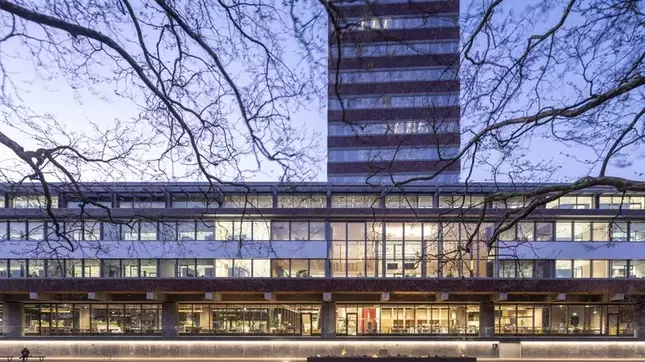
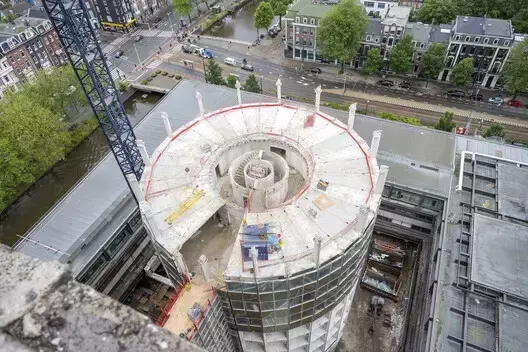
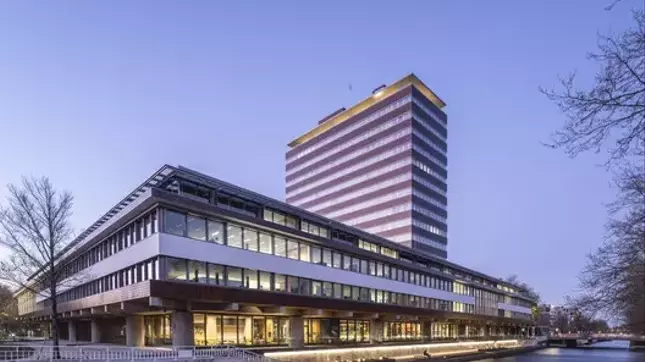
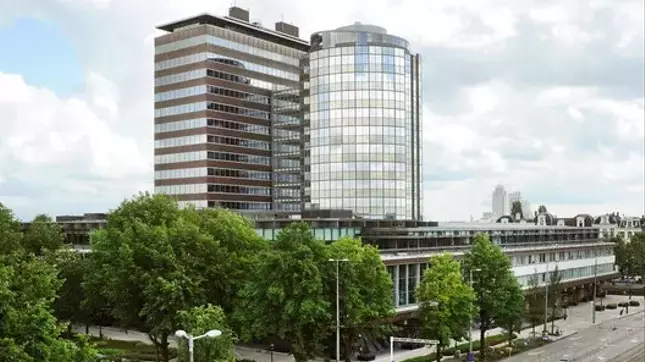
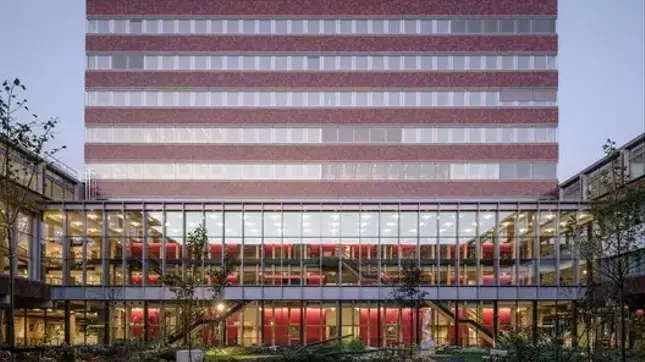
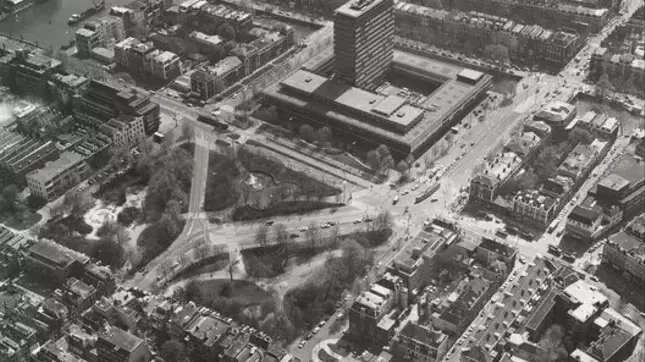
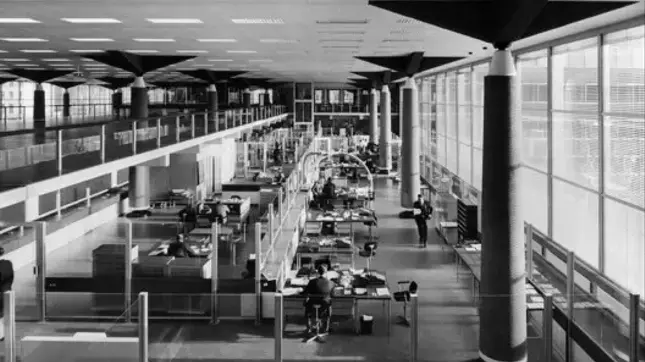
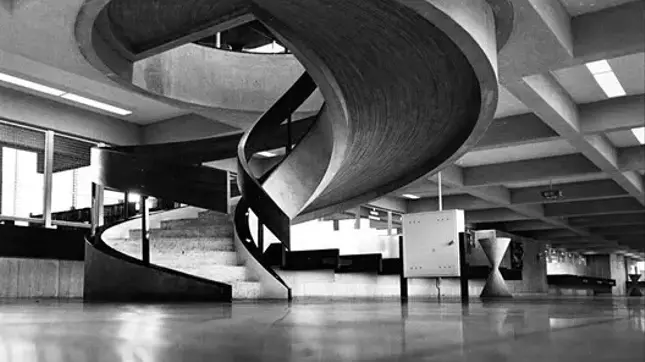
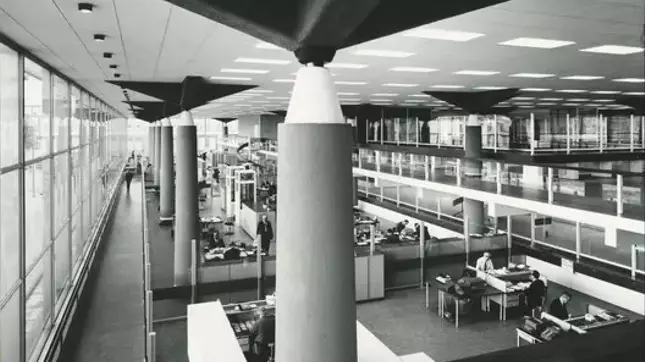
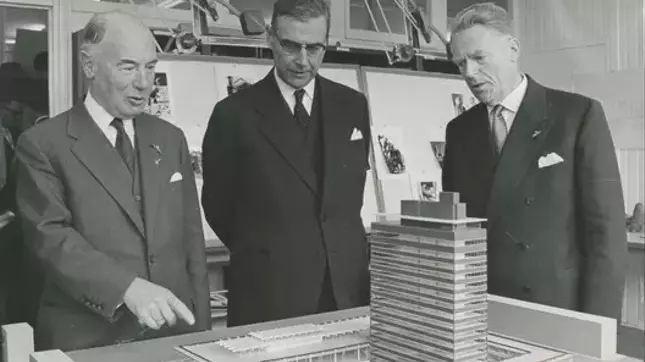
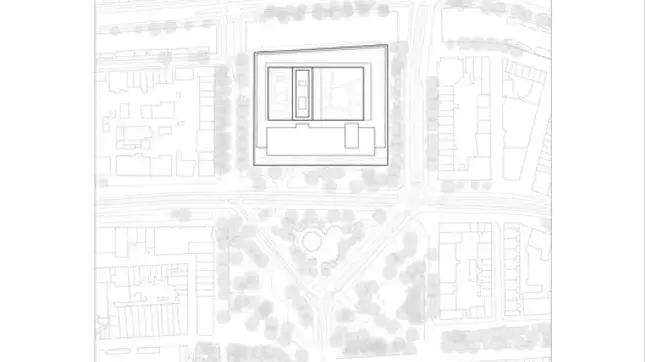
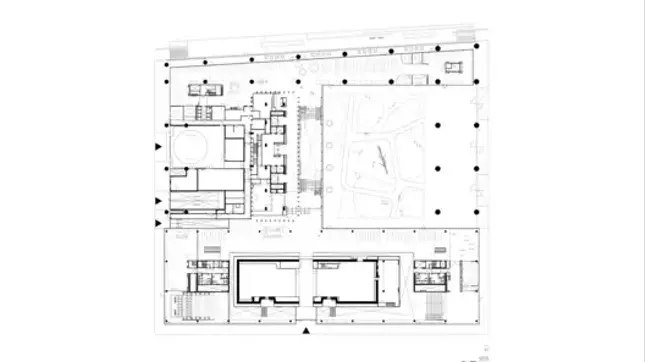
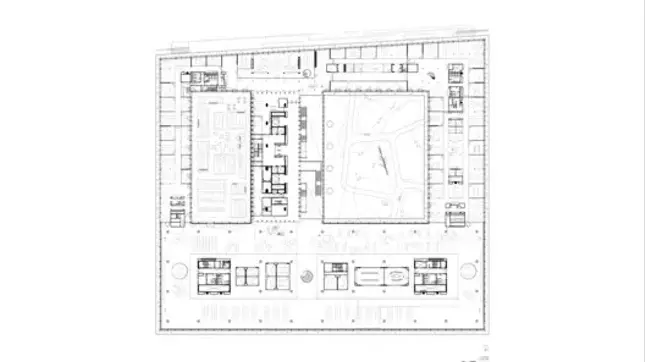
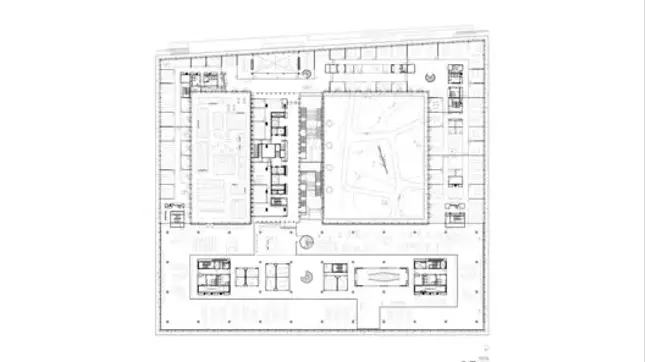
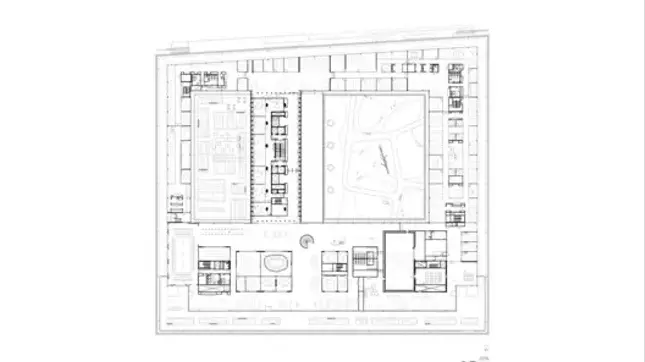
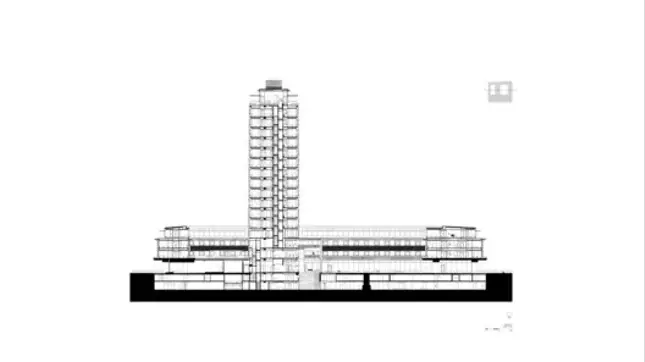
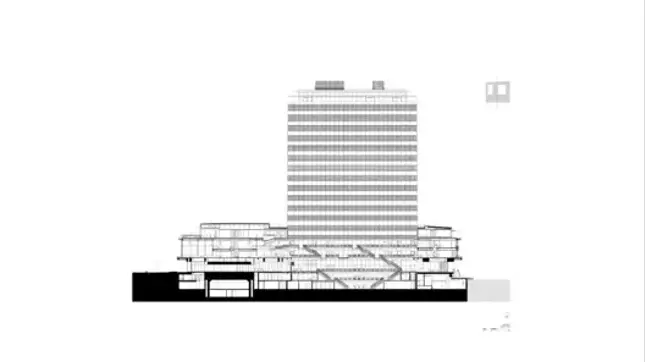
In the vibrant city of Amsterdam, at the storied location of 'Utrechtse Poort,' the imposing structure of De Nederlandsche Bank (DNB), designed by Marius Duintjer in 1968, is undergoing a dramatic metamorphosis. Originally conceived with a minimalist aesthetic inspired by architects like Mies van der Rohe, the DNB building comprised a vast square low-rise section, measuring 110 x 120 meters, and a soaring 73-meter office tower. Despite its pioneering design at the time, featuring clean lines and a transparent facade, the building never resonated with the local populace, who perceived it as aloof and out of sync with Amsterdam's historic architecture. Security concerns further exacerbated this detachment, leading to the enclosure of the building within fences and the presence of armed guards, solidifying its image as an impregnable stronghold.
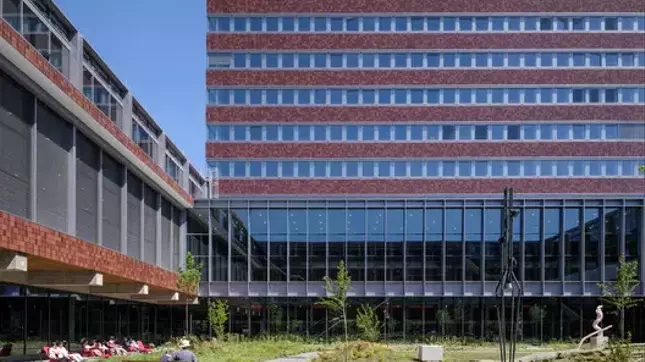
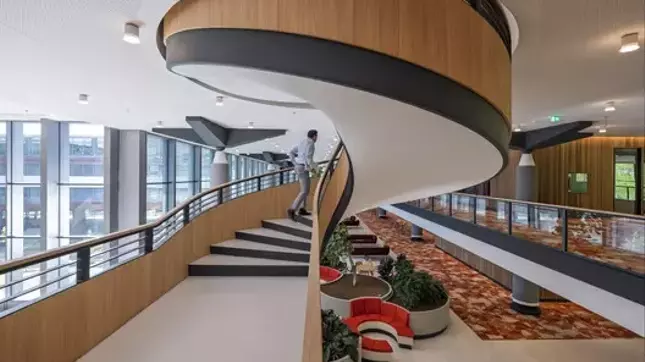
A notable alteration occurred in 1991 with the addition of a circular tower within the courtyard and an extra floor on the low-rise section. However, the pivotal decision to transfer the bank's gold reserves and currency operations to a new Cash Centre in Zeist paved the way for a comprehensive overhaul. This strategic relocation rendered the circular tower redundant, allowing for its systematic dismantling. The architecture firm Mecanoo was tasked with spearheading this monumental renovation, aiming to dismantle the fortress-like barriers and integrate the institution more harmoniously with its urban environment. The project's completion, slated for 2025, symbolizes a conscious effort to open the central bank to the public, fostering engagement and transparency—a stark contrast to its previous isolation.
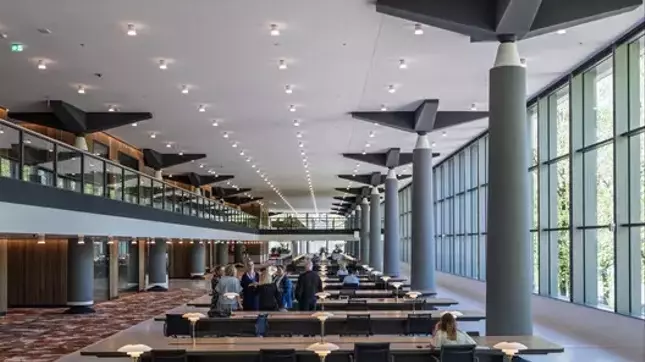
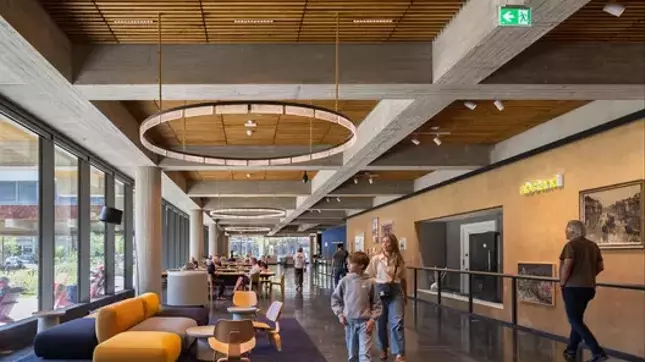
This transformation is not merely an architectural renovation; it represents a philosophical shift, echoing Samuel Sarphati's original, revolutionary vision for the site. Sarphati's 19th-century 'Palace of Industry,' destroyed by fire in 1929, aimed to fuse culture, commerce, innovation, and knowledge for the benefit of all. Mecanoo's redesign of the DNB building seeks to rekindle this spirit, creating a space that serves as a modern emblem of financial stability and public interaction, thereby enriching the cultural and economic tapestry of Amsterdam.
A New Chapter for Urban Integration and Transparency
The ambitious redevelopment of De Nederlandsche Bank by Mecanoo offers a compelling case study in architectural adaptation and urban renewal. It underscores the critical importance of a building's relationship with its surrounding community, demonstrating how a once-closed and unapproachable institution can be reenvisioned as a symbol of openness and public engagement. This project invites reflection on how contemporary architecture can honor historical contexts while embracing modern needs for transparency and accessibility. By transforming the DNB from a fortress into a welcoming hub, it sets a precedent for future urban developments, encouraging a more inclusive dialogue between civic institutions and the populace they serve. The initiative reminds us that buildings, much like the societies they inhabit, are dynamic entities capable of evolving to meet changing perceptions and demands.