Empowering Parents: Responding to Children's Refusals with Calm and Empathy
This guide offers parents a transformative approach to navigate their children's defiance and resistance, moving beyond traditional methods of coercion or reward. It proposes a holistic strategy rooted in understanding, connection, and emotional support, aiming to foster long-term cooperation and a deeper parent-child bond. By focusing on the emotional landscape of both child and parent, this method seeks to gently unravel the underlying causes of resistance, turning challenging moments into opportunities for growth and mutual respect.
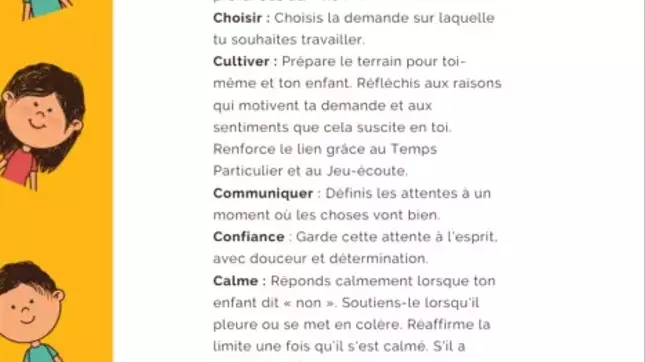





Transforming Defiance: A Seven-Step Approach to Harmonious Parenting
In a world where children often respond with a resounding "No!" to even the simplest requests, parents frequently find themselves at a loss. Picture this: The evening routine is in full swing, dinner consumed, toys stowed, pajamas donned. With storybooks clutched in hand, a parent issues a gentle reminder to a five-year-old: "Time to brush your teeth." The child, with a look of disdain, shouts "NO!" and bolts in the opposite direction. Such scenarios are commonplace, leaving parents grappling with a range of less-than-ideal options: forced compliance, yielding to the child's will, or engaging in a never-ending cycle of bargaining. These traditional approaches, however, often prove to be temporary fixes, eroding trust and fostering unhealthy power dynamics.
A revolutionary framework, known as the "Seven Keys to Formulating an Expectation," provides an alternative. This method, championed by Hand in Hand Parenting, offers a compassionate pathway to guide children towards cooperation. It begins with the crucial understanding that a child's refusal is not a deliberate act of defiance but rather a signal of overwhelming emotions. When children utter a firm "No!", it indicates a need for parental attention and emotional support, as their feelings momentarily overshadow their ability to think clearly and collaborate.
The journey commences with adopting a long-term perspective. Instead of seeking immediate obedience, parents are encouraged to view boundary-setting as an ongoing project, addressing the root cause of resistance rather than just its manifestation. The initial step involves selecting one specific behavior or request to focus on, avoiding the common pitfall of trying to rectify all issues simultaneously. This targeted approach allows for a deeper dive into the dynamics of that particular challenge.
Next, parents are advised to "Cultivate" the ground, preparing both themselves and their children for this new approach. For children, this involves fostering connection through "Special Time"—dedicated periods where parents fully engage in activities chosen by the child—and "Playlistening," which uses humor and role-reversal to help children release emotional tension. These interactive strategies build trust and make children more receptive to requests. For parents, self-preparation is equally vital. Engaging in "listening partnerships" allows parents to process their own feelings and anxieties related to boundary-setting, ensuring they approach their children from a place of calm and empathy, rather than frustration or historical triggers. By reflecting on their own experiences with authority and resistance, parents can develop a more understanding and secure stance.
With the groundwork laid, the stage is set for "Communicating/Consenting" to the limit when the environment is calm. This means clearly stating expectations in advance, providing children with an opportunity to process and respond without immediate pressure. For instance, informing a child, "We will leave for school after Special Time and breakfast at 8 AM," allows for a proactive dialogue. If a child expresses distress at this expectation, it's a cue for attentive listening and emotional support, either through playful interaction or compassionate presence as they express their feelings.
The next crucial step is "Confidence": maintaining the expectation with warmth and firmness. This involves approaching the child, establishing eye contact, and reiterating the boundary while patiently listening to their emotional outpouring. Whether it's the simple act of taking a bath or brushing teeth, parents are encouraged to remain present, gently guiding the child back to the task as their emotional storm subsides. This consistent, empathetic presence helps children release pent-up feelings, often manifested through crying, laughter, or physical movement, which are all signs of emotional processing.
When a child continues to resist, parents are called to "Calmly and Constructively Respond." This entails observing the child's emotional expression, ensuring their safety, and, if time and patience permit, gently reminding them of the expectation. The analogy of guiding a child through a sand dune tunnel illustrates this process: the child's task is to keep digging (expressing feelings), and the parent's role is to hold the flashlight (providing unwavering support and direction). Each emotional release helps the child move closer to the other side, dissolving resistance and paving the way for cooperation. If the parent's capacity is limited, it's acceptable to pause the "Staylistening" and resume it later, reinforcing that even partial emotional release is valuable progress.
Finally, "Benevolence" underscores the importance of continued listening and kindness when a child persists in saying "no." This phase emphasizes stepping back, engaging in more playtime, and exploring the deeper reasons behind the child's persistent resistance. By asking introspective questions—such as whether the child misses the parent, dislikes school, or is grappling with unaddressed health or learning issues—parents can uncover underlying anxieties. Similarly, parents are encouraged to reflect on their own feelings and past experiences, ensuring their responses are not colored by personal triggers. By continuously re-establishing connection and revisiting the process with fresh perspective, parents and children can navigate emotional tunnels together, ultimately arriving at a place of reduced resistance and increased joy in their interactions.
Fostering Cooperation and Connection Through Empathetic Guidance
This comprehensive approach to parenting, as outlined, offers profound insights into nurturing a child's emotional well-being while effectively setting boundaries. The core message resonates deeply: a child's resistance is not merely defiance, but a communication of unmet emotional needs. By shifting from punitive or overly permissive responses to empathetic listening and consistent, loving guidance, parents can transform challenging interactions into opportunities for profound connection. The emphasis on "Special Time" and "Playlistening" highlights the crucial role of positive engagement in building a secure attachment, which, in turn, makes children more receptive to parental expectations. Moreover, the focus on parental self-awareness and emotional processing through "listening partnerships" acknowledges that effective parenting begins with self-care and understanding. This framework reminds us that fostering cooperation is a journey of patience, empathy, and unwavering support, ultimately leading to a more harmonious and trusting relationship between parent and child.