Fontaines D.C.'s 'Dopamine Chamber': A Seductive Descent into Modern Disillusionment
Fontaines D.C.'s latest offering, 'Dopamine Chamber,' presents a compelling and somewhat unsettling auditory journey, marking the Irish quintet's fifth studio release. This album masterfully blends profound cynicism with moments of striking beauty, evolving their stadium-rock sound into something grander and more foreboding. Rather than offering a straightforward indictment of modern tech-addiction, the band, led by frontman Grian Chatten, employs a seductive approach. The music shimmers with a polished, almost artificial brilliance, drawing listeners into its intricate narratives where escape often leads to an inner hollowness. The record challenges conventional notions of connection and pleasure in an era saturated with artificial highs, ultimately depicting a world seduced by its own vices.
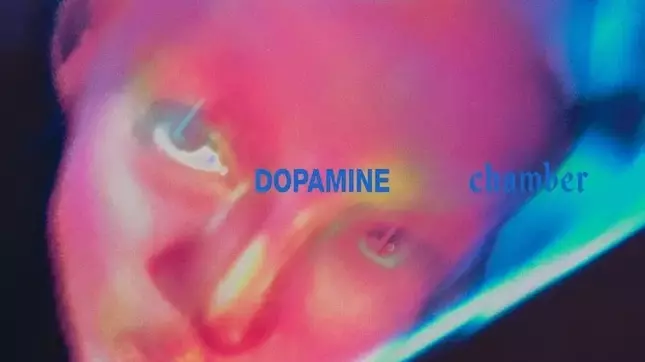
The album's title itself hints at its core theme: the relentless pursuit of pleasure in a technologically advanced yet spiritually depleted landscape. Instead of delivering a wrathful critique, Fontaines D.C. opts for a more nuanced, alluring sound that gently pulls the listener into its icy embrace. Chatten's lyrical prowess is on full display, crafting narratives that whisper promises of eternal escapism and dream-like states, yet ultimately leave one with a sense of melancholic introspection. The band's evolution from their earlier post-punk roots to a more expansive, arena-filling sound is evident, yet they retain a distinctive edge. This transformation is not merely about scale but about crafting a sonic environment that is both vast and intimately disquieting, inviting reflection on the current state of human experience.
Bassist Conor Deegan's contemplation of escapism deeply informs the album's atmosphere. Each track, while exquisitely produced, often feels like a beautiful facade, concealing deeper, more somber realities. This artistic direction effectively addresses how Fontaines D.C. navigates the transition to larger venues. Following the commercial triumph of their 2024 album 'Romance,' which drew inspiration from diverse artists like Britpop, Lana Del Rey, and The Cure, 'Dopamine Chamber' marks a further refinement. While 'Romance' demonstrated the band's capacity for grandeur, 'Dopamine Chamber' explores a more complex emotional terrain, highlighting their growth beyond purely rapturous sounds into something more challenging and sophisticated.
The album transcends simple descriptors like 'larger' or 'more catchy.' As Grian Chatten articulated in press materials, he would only write an album offering hope if he genuinely felt it. This sentiment underscores the record's subtly irresistible appeal, perhaps best exemplified by the lead single 'Marianne.' This track showcases Fontaines D.C. at their most relentless, building a tense, swaying rhythm that carries Chatten's plea for oblivion. His voice, ever a central component of the band's allure, is skillfully modulated here to be hypnotic and unsettling, embodying the persona of a tempter. Throughout 'Dopamine Chamber,' Chatten assumes the role of a trickster, luring listeners with promises of desire and shared experiences, suggesting a society so consumed by immediate gratification that it willingly steps into peril for another hit.
Love, in its purest form, appears to be one of the casualties in this narrative. Chatten has consistently explored the dichotomies of cynicism and romance in his songwriting, and here, he recontextualizes the love song. He posits that in a pleasure-addicted world, love may have devolved into merely another source of dopamine. The album features a striking juxtaposition in the dream-pop ballad 'Japan,' where its ethereal beauty overlays lyrics about a manipulative figure lost in his own need for affection. Similarly, the grungy 'Demolition' blurs the lines between joy and despair, with lines that acknowledge pleasure derived from seemingly negative interactions. The pervasive pessimism of 'Dopamine Chamber' casts a new light on previous works, suggesting that even hopeful lines like 'Maybe romance is a place' from 'Romance' might have been more speculative than definitive.
'Dopamine Chamber' however, avoids doctrinaire pronouncements. Its design seems to provoke, buttressing despondency with splendor and vice-versa, fostering a sense of stark realism regarding current societal detachment. In 'Where Is Gone?', Chatten's collaboration with Rosalía paints a picture of fading romance in a bleak future. Their exchange is unsettlingly asymmetrical; Rosalía’s declaration of indifference is met with Chatten’s cold imperative, 'So care less.' This track stands out as one of the most beautiful yet chilling pieces from both artists, embodying the album’s ability to both wound and invigorate. The record skillfully navigates the dualities of pain and vitality, serving as a powerful reflection of a world grappling with its own complex desires and disillusionments.