Gillian Cooper: A Journey Through Textile Art and Experimentation
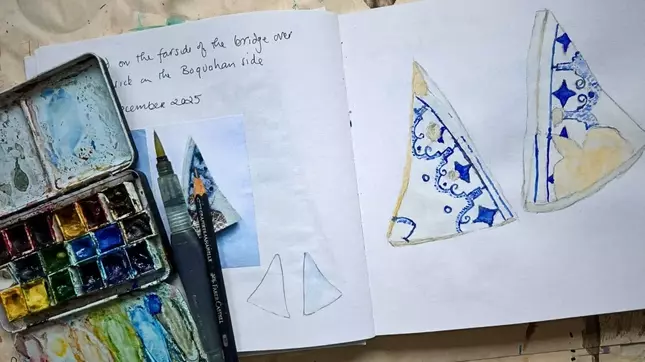
Gillian Cooper, a distinguished textile artist, embarks on a fascinating exploration of materials and methods, consistently pushing the boundaries of traditional textile art. Her practice is deeply rooted in experimentation, allowing her to transform everyday observations and natural elements into compelling works. Cooper's creative process involves a meticulous blend of research, sketching, and hands-on material manipulation, including cyanotype printing, working with dissolvable fabrics, and employing botanical dyes. This iterative approach, often executed in series, enables her to delve into themes with depth and versatility, ensuring each piece is a step in an ongoing dialogue with her chosen mediums and inspirations. Nature serves as a primary muse, with elements from her surroundings woven into the fabric of her art, creating a profound connection between her work and the environment.
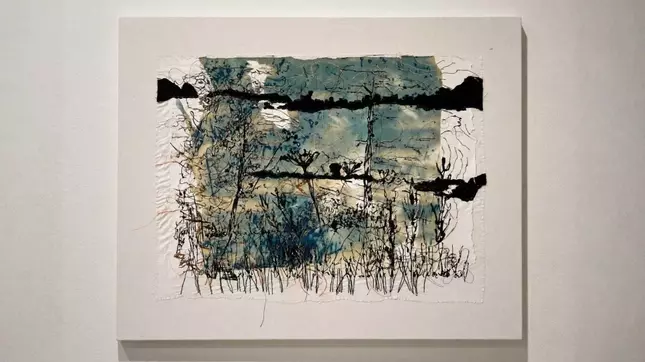
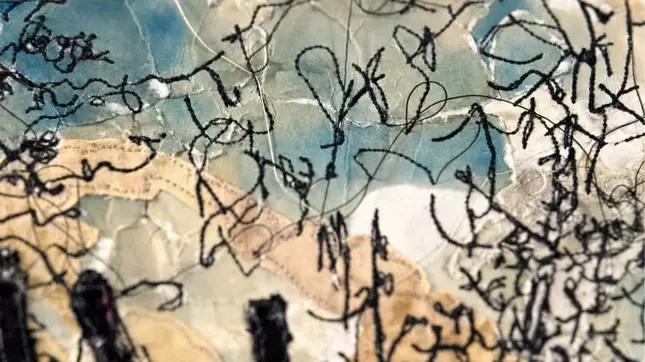
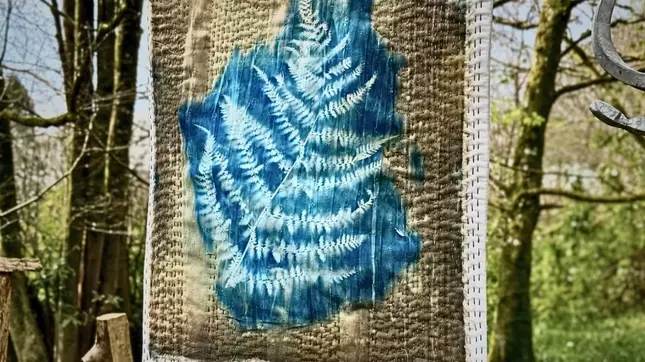
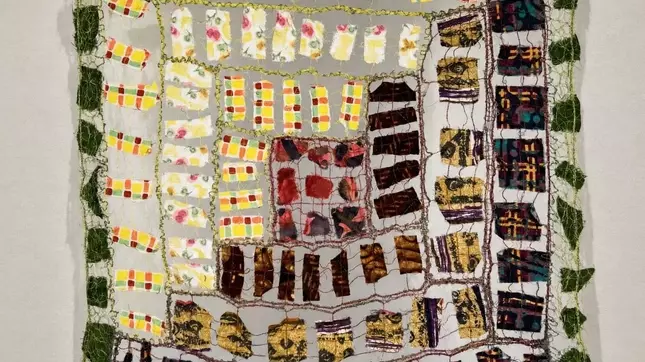
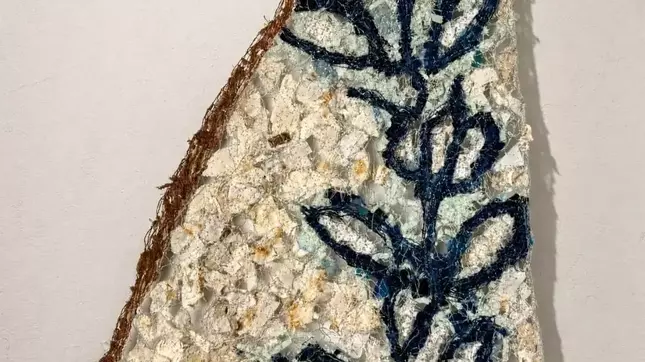
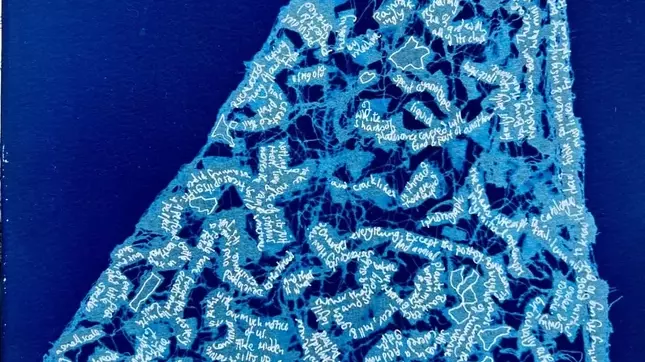
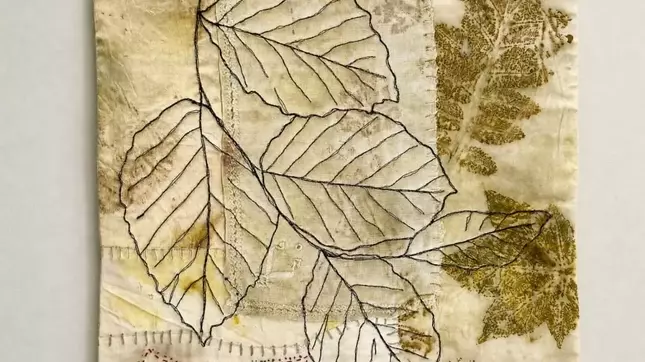
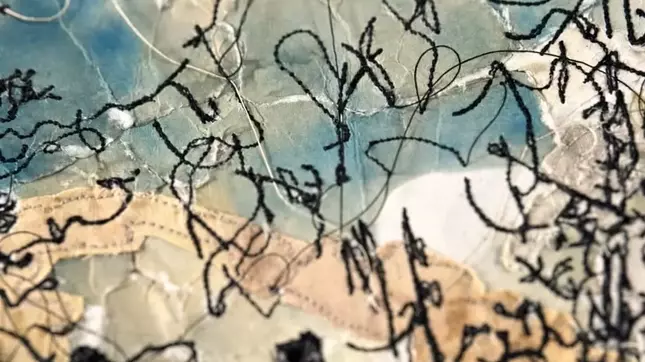
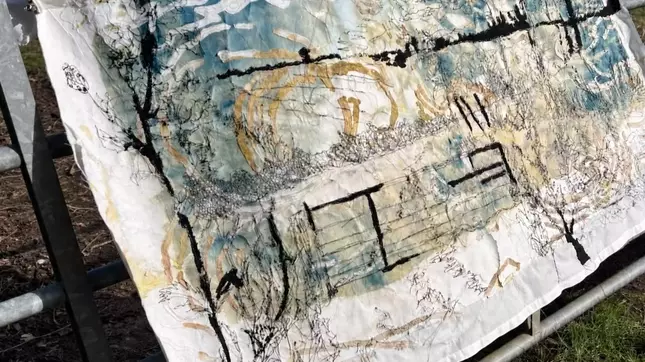
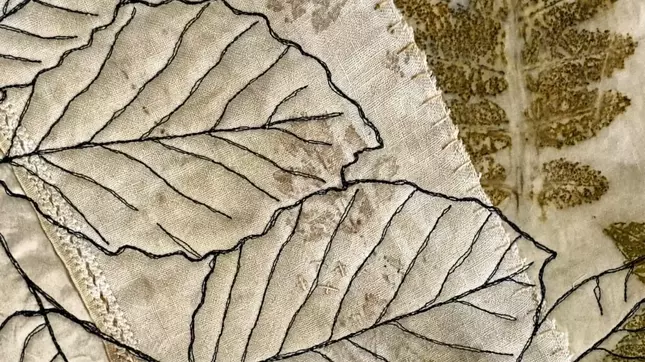
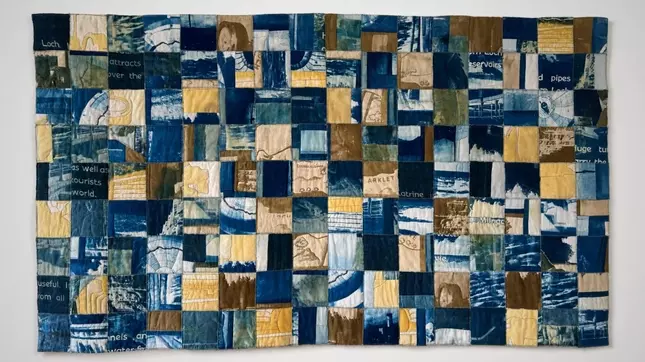
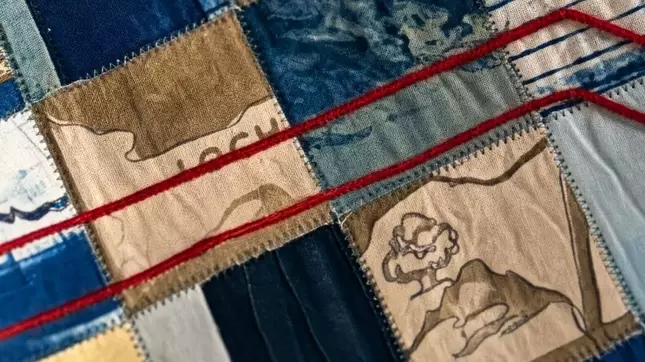
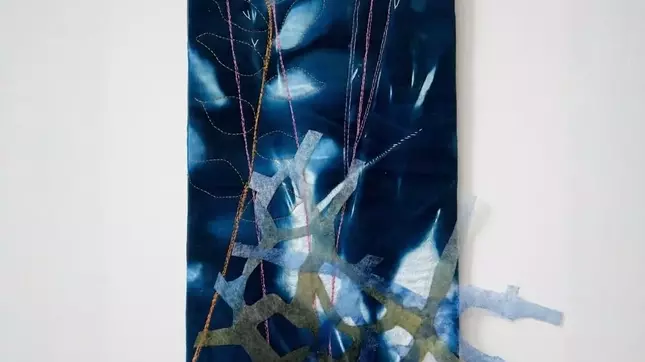
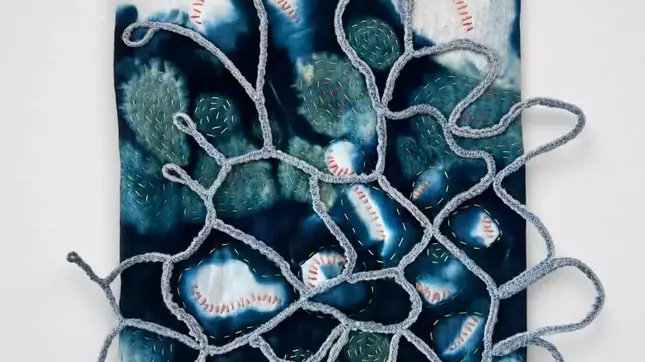
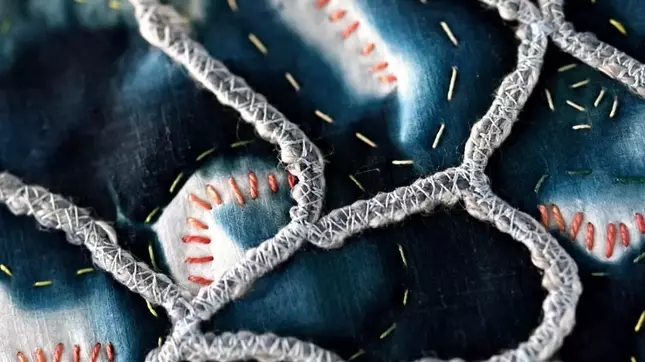
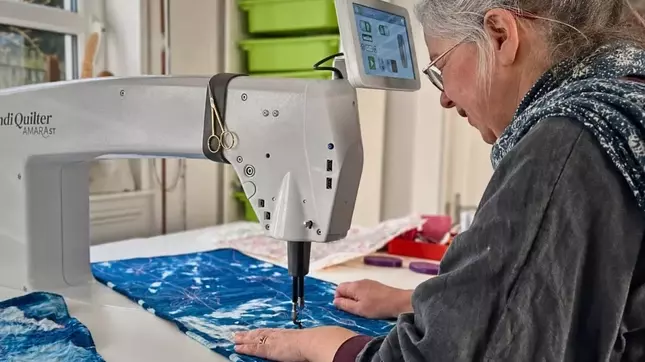
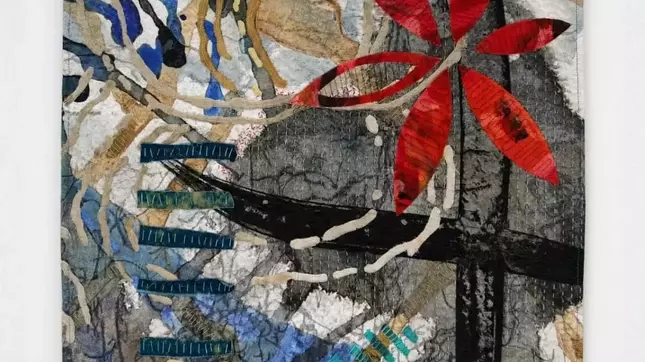
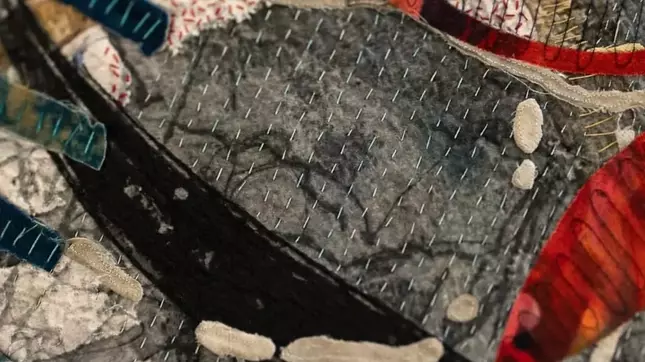
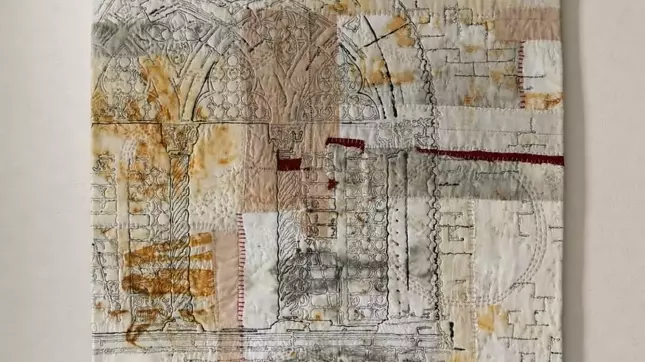
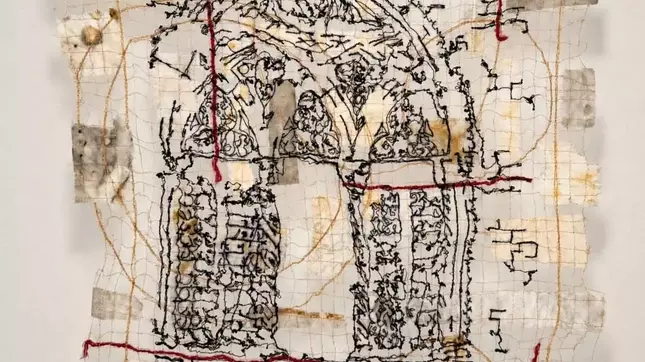
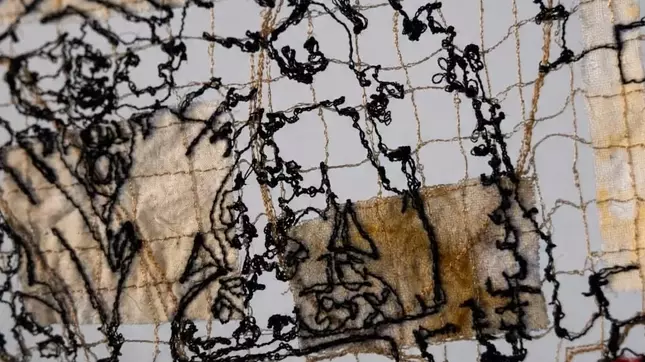
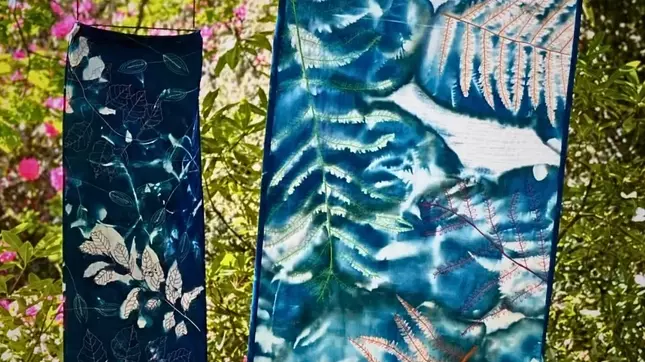
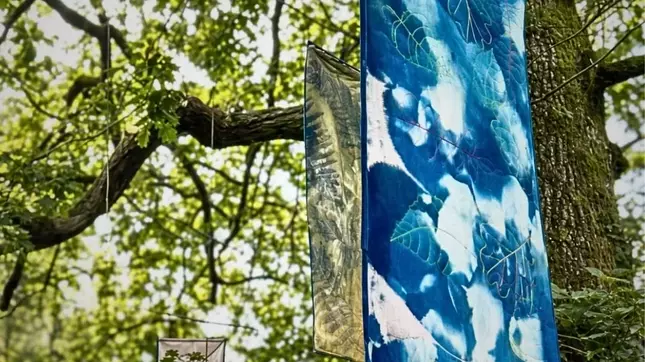
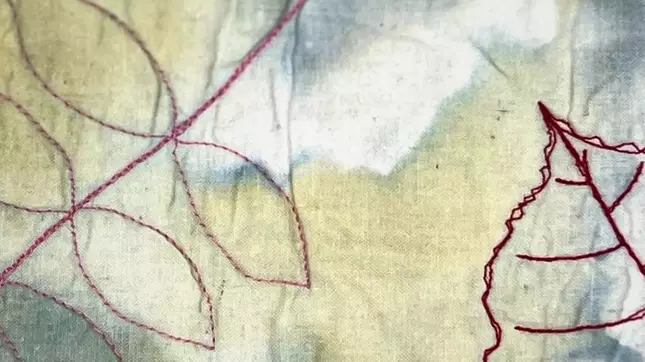
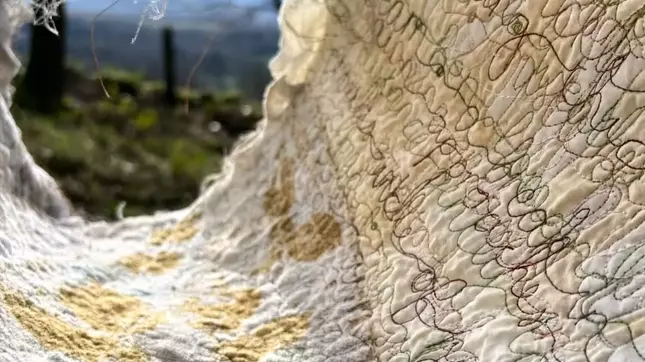
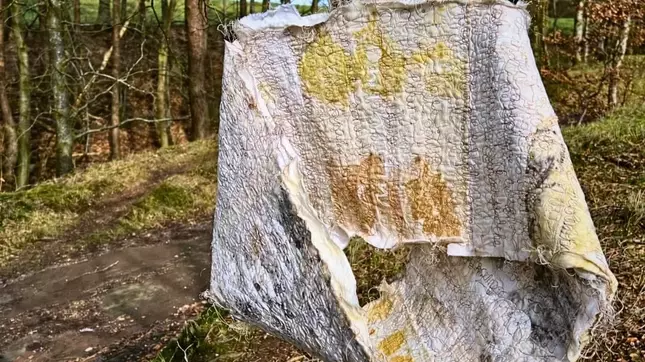
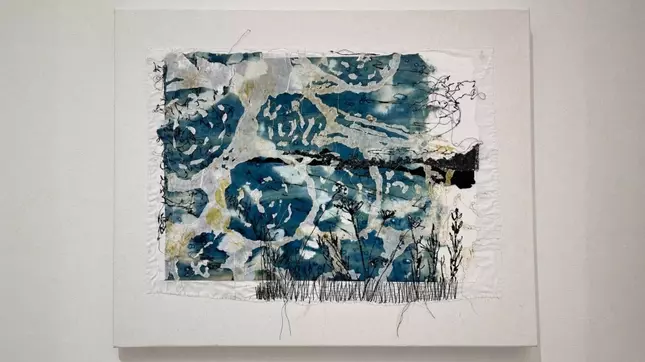
From a background in accountancy, Cooper's pivot to art was fueled by a desire for creative fulfillment and a persistent drive to experiment. Her journey reflects a commitment to artistic growth, where challenges are embraced as opportunities for innovation, and the accidental informs the intentional. Her distinctive techniques, from the tactile richness of quilting to the ethereal quality of dissolvable fabrics, highlight her mastery and innovative spirit. Whether it's the narrative embedded in a quilt's layers or the transient beauty captured through botanical prints, Cooper's art is a testament to the power of curiosity and perseverance, continually evolving through a dynamic interplay of intuition and technical skill.
The Evolution of an Artist: From Figures to Fabric
Gillian Cooper's artistic journey represents a remarkable transformation from a meticulous career in accountancy to a vibrant life as a textile artist. Despite a lack of early formal artistic training, her innate curiosity and experimental spirit led her to pursue creative endeavors. This shift began with evening classes and culminated in degrees from prestigious art institutions, where she discovered her passion for textiles. Her previous professional life, while seemingly disparate, instilled in her a methodical approach to research and a dedication to process, which now underpin her distinctive textile art. Cooper's story underscores the idea that artistic talent can emerge and flourish later in life, driven by a profound desire for self-expression and a willingness to embrace new challenges.
Initially, Cooper found traditional drawing and painting less compelling, but a textile course ignited her true artistic calling. This discovery propelled her through foundational and degree programs, transforming her from an aspiring artist with a non-existent portfolio to a celebrated textile innovator. Her background, far from being a hindrance, has informed her unique approach, emphasizing systematic exploration within her creative practice. This blend of analytical thinking and artistic freedom allows her to continuously develop new techniques and revisit established themes with fresh perspectives, demonstrating how diverse life experiences can enrich one's artistic voice.
The Tapestry of Inspiration: Nature, Process, and Serendipity
Central to Gillian Cooper's artistic philosophy is the belief that exploration and inspiration are inextricably linked, often found in the most unexpected places. Her creative process is deeply rooted in observation and a continuous dialogue with her environment, particularly nature. Whether it's gathering plants during hikes for cyanotype prints or drawing inspiration from everyday urban landscapes, Cooper approaches her work with an open mind, allowing the materials and the stories they tell to guide her. This engagement with her surroundings enables her to create pieces that are not merely representations but evocative interpretations of feelings and experiences, infused with the essence of the places that inspire them.
Cooper's methodology is highly process-driven, beginning with extensive sketching that captures the essence of her inspiration rather than creating direct textile drafts. This initial phase of reflection is crucial for her to understand what truly resonates within a subject, leading to a series of material explorations before a final piece is realized. Working in series is a hallmark of her practice, allowing her to revisit ideas with different materials and techniques, freeing her from the pressure of perfection and fostering an environment of continuous experimentation. This approach, where each creation builds upon the last, embraces the serendipitous nature of art-making, turning accidents, like a memorable laundering mishap, into integral parts of her evolving artistic narrative and demonstrating a profound trust in the creative journey.