Honda Prelude: An Owner's Perspective After 11 Months
Beyond the Showroom Shine: Unveiling the Realities of the Honda Prelude
The Initial Thrill Versus Daily Reality: Navigating the Post-Purchase Experience of a Brand-New Car
Acquiring a brand-new automobile is typically seen as the straightforward part of the journey. Weeks, or even months, are frequently dedicated to meticulous research, comparing different models and trim levels, and ultimately affirming one's decision. This is followed by an enchanting 'honeymoon phase,' where every aspect, from the fresh interior scent to inventively finding reasons for late-night drives, feels exhilarating.
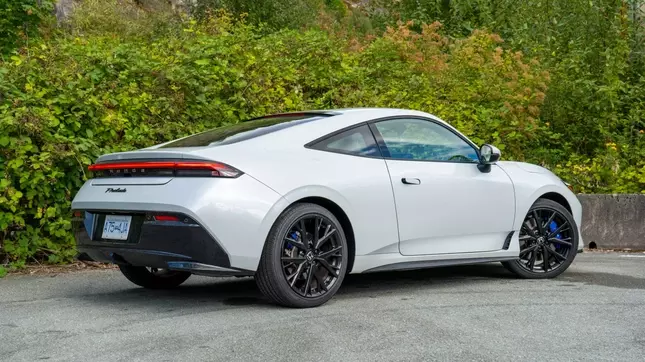
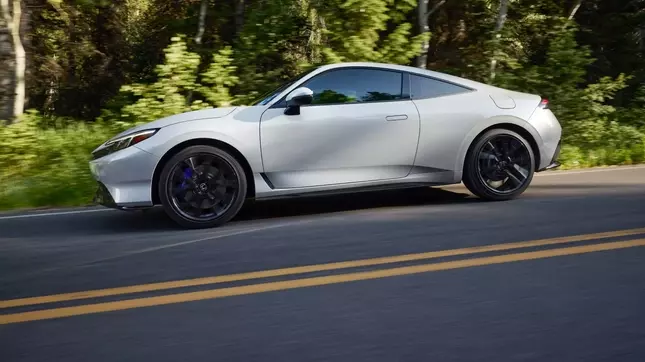
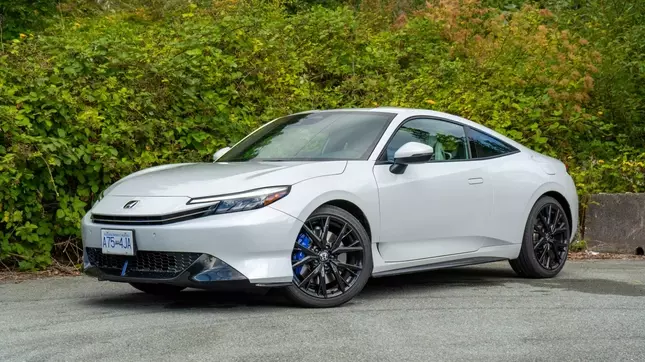
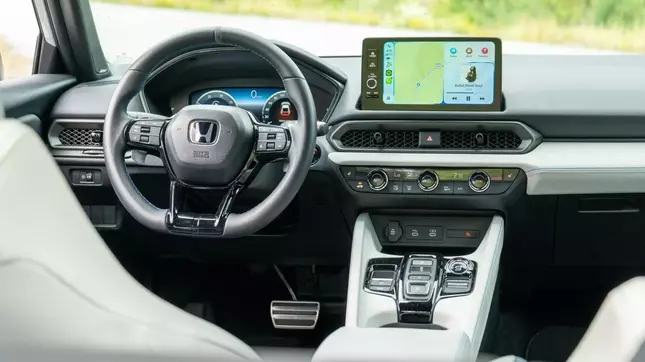
Transition to Everyday Use: A Honda Prelude Owner's Insights After Logging Over 5,600 Miles in Japan
The true measure of a vehicle, however, commences once the novelty wears off and the practicalities of everyday life set in. This is precisely where one particular Honda Prelude owner's experience becomes relevant. As one of the pioneering individuals in Japan to take possession of the innovative hybrid coupe, he has accumulated more than 5,600 miles, transforming the car from a weekend indulgence into a daily workhorse.
Unveiling the Disappointments: Three Key Frustrations Experienced by a Long-Term Prelude Owner
Remarkably, his most significant dissatisfaction does not stem from the car's powertrain or its ride quality. Instead, it lies with the Bose premium audio system. On paper, an eight-speaker setup promises an immersive listening experience, and indeed, the bass performance is robust. However, as the volume is increased, the system's flaws begin to manifest.
The Sonic Setback: How the Bose Audio System's Rattles Diminish the Driving Experience
Upon reaching volume level 15, the doors and interior panels unexpectedly contribute to the soundscape, creating distracting rattles and buzzing in sync with the music. Rather than delivering enhanced bass, the cabin introduces an unintentional percussive element. The inclusion of additional sound dampening or vibration insulation would have significantly improved this aspect.
The Charging Conundrum: Wireless Charging's Inefficiency and the Return to Wired Solutions
Next on his list of frustrations is the wireless charging feature, which he describes as the most inconsequential addition to the Prelude. His critique extends beyond this specific model, encompassing Honda's wireless charging technology as a whole. After an hour on the charging pad, his phone typically gains a mere 10-15% charge and becomes noticeably warm.
S+ Shift's Fleeting Appeal: From Innovative Feature to Ignored Functionality in Daily Driving
Consequently, he has reverted to using a USB-C cable for charging, reminiscent of practices from 2015. Wired charging provides a substantial 30-45% increase in battery life within the same timeframe, all while keeping his phone cool. The difference in performance is undeniable.
The Diminished Exclusivity: S+ Shift's Broad Adoption Across Honda Models and Its Impact
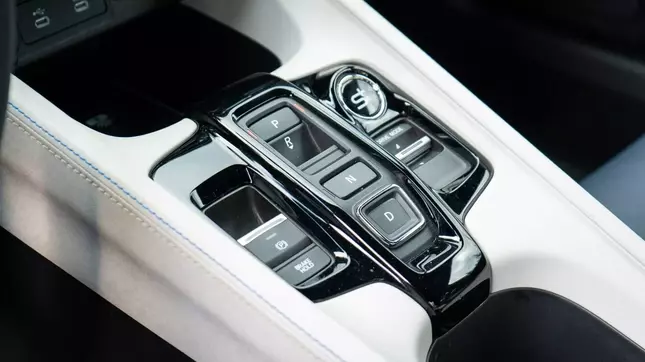
The Prelude also debuted Honda's novel S+ Shift system, a prominent highlight of the coupe. This system is designed to mimic gear changes, integrate synthetic engine sounds, and make Honda's e:HEV hybrid powertrain evoke the sensation of a traditional performance vehicle.
From Novelty to Norm: Why the S+ Shift Feature Lost Its Initial Allure for a Dedicated Owner
For this owner, the excitement surrounding the S+ Shift quickly dissipated. He experimented with it for approximately a month before abandoning its use. The artificial engine noise failed to convince him, the overall effect was too subtle to warrant consistent engagement, and it merely resulted in higher engine revolutions and increased fuel consumption.
Analyzing the Evolution of S+ Shift: Implications for Honda's Future Hybrid Performance Features
Another factor contributing to the S+ Shift's diminished appeal was its initial exclusivity. Within a year of its introduction, Honda integrated the technology into the Civic e:HEV RS and the updated Vezel e:HEV in Japan. This widespread adoption rendered the feature less distinctive.
Reflecting on the User Experience: Key Takeaways from an Owner's Long-Term Perspective on the Prelude
The S+ Shift was marketed as one of the Prelude's standout features, making it noteworthy that this owner was quick to discontinue its use. This pattern is not uncommon with contemporary performance-oriented technologies. Features such as various drive modes, artificial engine sounds, and simulated gear shifts often create a strong initial impression before being relegated to occasional use. The Prelude's hybrid system operates smoothly and efficiently without the S+ Shift, suggesting that many owners may naturally gravitate back to the standard driving experience.
Honda's Path Forward: The Future Development of S+ Shift and Its Role in the e:HEV Lineup
The more pertinent question is whether Honda will continue to refine and develop the S+ Shift as it becomes integrated into a broader range of e:HEV models, or if it will simply become another standard feature across the product line.