The Koreatown Oddity's 'Purdy': A Raw Look at the Artist's Struggle
Dominique Purdy, known artistically as The Koreatown Oddity, offers a deeply personal and unvarnished perspective on the life of a contemporary artist in his latest musical offering, “Purdy.” This album navigates the complex dichotomy between the spiritual rewards of creative expression and the often-harsh financial and personal sacrifices required. It serves as a candid reflection on the constant internal debate faced by those dedicated to their craft: whether the profound moments of artistic breakthrough truly outweigh the relentless challenges of economic instability and the unending quest for validation. Purdy employs a distinctive blend of raw, journal-like narratives, infused with both poignant humor and underlying anxiety, to explore these themes.
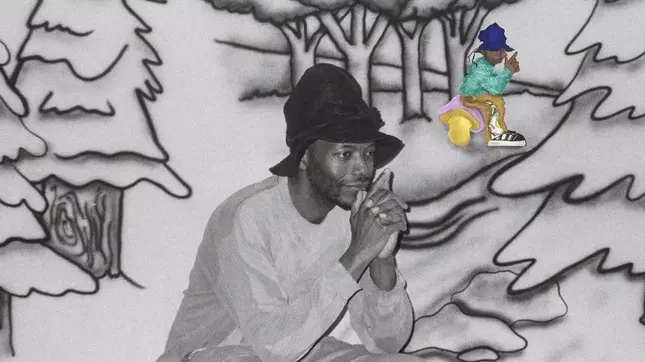
The musical landscape of “Purdy” is as unconventional as its lyrical content, characterized by a unique, almost ramshackle production aesthetic that eschews contemporary trends. Utilizing circuit-bent keyboards, vintage drum machines, and seemingly incongruous loops, Purdy crafts an auditory experience that is both disorienting and deeply captivating. This self-titled album stands as his most uncompromising work yet, serving as a powerful snapshot of an artist grappling with the everyday realities of making ends meet while striving to maintain artistic integrity. It is a testament to the enduring spirit of creation, even when faced with the daunting prospect of an uncertain future, emphasizing the artist's relentless pursuit of inspiration and truth.
The Dualities of Artistic Existence
Dominique Purdy, performing as The Koreatown Oddity, critically examines the inherent paradoxes of an artistic career in his recent album, "Purdy." The work confronts the stark contrast between the profound satisfaction derived from creative endeavors and the relentless demands of a life characterized by financial insecurity and personal sacrifice. It probes the ongoing internal conflict faced by artists, questioning if the ephemeral highs of artistic achievement can truly compensate for the tangible costs of time, money, and overall stability. Purdy’s narrative weaves through these struggles, highlighting the emotional whiplash of transitioning from moments of intense creative flow to the mundane realities of daily life, encapsulating the deep contemplation of whether such a path is ultimately worthwhile.
This album builds on Purdy's established practice of drawing from his personal experiences to uncover universal truths, following previous critically acclaimed works that explored themes of heritage and the absurdities of modern existence. "Purdy" maintains this introspective approach, presenting songs that resonate with the intimacy of journal entries. These tracks detail common struggles like grocery runs, aspirations for his daughters' futures, and observations on the pervasive nature of everyday oppression. Despite the pervasive stress in its subject matter, the album remarkably sustains a buoyant tone, masterfully balancing comedic elements with moments of acute anxiety. This delicate equilibrium allows for a layered listening experience where humor often serves to alleviate the tension of profound existential questioning, revealing deeper meanings and pop culture allusions with each listen, underscoring the album’s sophisticated narrative.
Unconventional Soundscapes and Unyielding Vision
The sonic architecture of "Purdy" by The Koreatown Oddity is deliberately eclectic and experimental, constructed from a collection of thrift-store keyboards, vintage drum machines, and idiosyncratic loops that challenge conventional musical structures. This approach results in a "rattling junk drawer" of sounds that, despite their initial apparent discord, coalesce into surprisingly compelling rhythms and grooves. Tracks like “Damsel” exemplify this method, where harpsichord and children's voices are layered over an unexpected stomp-clap beat, gradually evolving into a hypnotic and dreamy arrangement. "Balance Beam" further showcases this unique production style, starting with hesitant vocals that transition into a lo-fi rap soundscape, infused with wobbly whistling, layers of noise, and gospel harmonies, demonstrating Purdy's ability to transform disparate elements into cohesive and innovative compositions.
Throughout "Purdy," more traditional drum-break compositions are interspersed with unpredictable sonic elements, such as Halloween-themed sound effects in “Great Weekends” or the atonal synth outbursts closing “Dracula’s Reflection.” These unconventional choices signal Purdy's deliberate detachment from current musical trends, instead emphasizing an artist driven by his unique proclivities and invigorated by the creative constraints of a home studio setup. The album represents Purdy’s most audacious and unfiltered work, truly reflecting his identity by naming it after himself. It captures his current struggle as an artist striving for financial stability in an increasingly difficult environment, yet it also reaffirms his core artistic philosophy: to constantly question, remain curious, and draw inspiration from every encounter. "Purdy" vividly portrays the cyclical journey of an artist, moving from self-doubt to moments of brilliance, and embodies the ceaseless pursuit of capturing the elusive essence that is always just beyond reach in one's art.