Optimal Exercises for Women Over 50 to Enhance Health and Longevity
For women over the age of 50, integrating regular physical activity into daily life is paramount for sustaining both physical and mental well-being. The emphasis shifts from merely extending life to enriching its quality, ensuring an active and fulfilling later life. Expert advice highlights the importance of a comprehensive exercise regimen that addresses common age-related concerns such as diminished bone density, increased risk of falls, and heart disease. A balanced approach to fitness can bolster muscular strength, improve cardiovascular function, refine agility and coordination, support cognitive health, and enhance posture and flexibility.
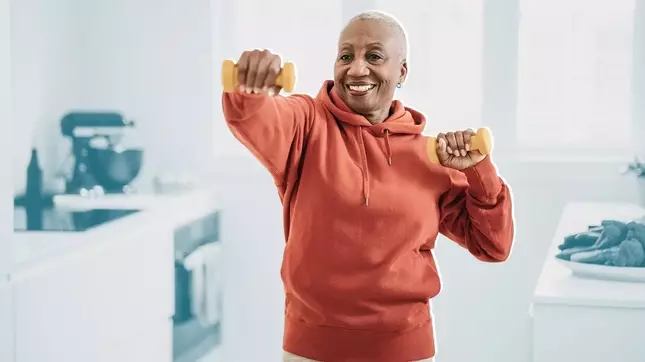
The most beneficial exercises are those that align with an individual's current fitness capabilities while offering sufficient challenge to foster continuous improvement in movement and overall sensation. It is suggested to incorporate at least one form of these recommended exercises daily to cultivate a stronger, healthier self, both internally and externally.
Brisk walking stands out as a highly recommended activity. Beyond its ability to moderate post-meal blood sugar levels, it serves as a convenient social activity, a chance for reflective listening, or an opportunity to connect with nature. To maximize its benefits, consider increasing the intensity by choosing routes with inclines or alternating between fast and moderate paces. This approach not only elevates heart rate but also engages a wider range of muscles. As individuals age past 30, bone mass naturally begins to decline. Weight-bearing exercises are vital for preserving skeletal health by stimulating bone-forming cells through impact, thereby helping women maintain bone mineral density. Activities like hiking, playing tennis, dancing, and resistance training—including weightlifting, calisthenics, and using resistance bands—are excellent for bone health. Even wearing a weighted vest during walks can contribute to stronger bones.
For those experiencing joint discomfort, aquatic exercises offer a low-impact solution that enhances strength and cardiovascular health. The buoyancy of water reduces stress on joints, and warmer temperatures can improve mobility, making daily movements more comfortable. Engaging in such workouts can transform discomfort into appreciation for the body's capabilities. Additionally, cycling, especially outdoors, provides significant cognitive benefits. The combination of fresh air and physical exertion can improve hippocampal function, which is crucial for memory, learning, and problem-solving. For a less strenuous option, electric bikes offer a way to enjoy cycling with reduced physical effort, promoting outdoor activity and mental stimulation.
Combating sarcopenia, or age-related muscle loss, is another critical aspect of healthy aging. Resistance training is highly effective in maintaining muscle mass, promoting mobility, and preventing falls. Functional movements that mimic daily activities, such as deadlifts for lifting, push-ups for pushing, and squats for rising from a seated position, are particularly beneficial. These exercises build practical strength essential for independent living. Finally, yoga, a mind-body practice, significantly improves physical balance, lower-body flexibility, and strength, alongside mental well-being. Its low-impact nature makes it a safe and sustainable exercise choice for all ages, contributing to an overall sense of feeling good.
In essence, the pursuit of health after 50 involves embracing modified yet effective exercise strategies. The goal is to cultivate a robust and healthy physique through functional movements that facilitate everyday tasks, minimize injury risks, and prevent falls. By incorporating a diverse range of activities—from cardiovascular workouts like brisk walking and cycling to strength-building resistance training, bone-supporting weight-bearing exercises, joint-friendly aquatic sessions, and balance-enhancing yoga—women can proactively foster a healthy heart, strong muscles and bones, an active mind, and improved flexibility and equilibrium.