Revel Debuts Ranger Ti: A Titanium Full-Suspension Mountain Bike
Revel Bikes has unveiled its latest innovation, the Ranger Ti, marking the Colorado-based company's first foray into producing a full-suspension mountain bike featuring a titanium front triangle. This pioneering model integrates the proven carbon rear triangle and suspension mechanisms from the brand's Ranger V3 XC/downcountry bike, which was revamped earlier this year. Revel asserts that the geometry and suspension characteristics of the titanium version remain consistent with its carbon predecessor. The initial release of the Ranger Ti is limited to a mere 10 individually serialized frames, with pre-orders currently open and deliveries anticipated by the close of 2026. This introduction highlights Revel's commitment to exploring diverse materials and advanced manufacturing techniques in bicycle design.
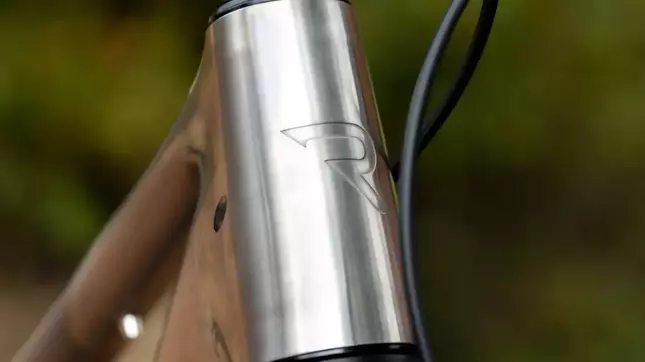


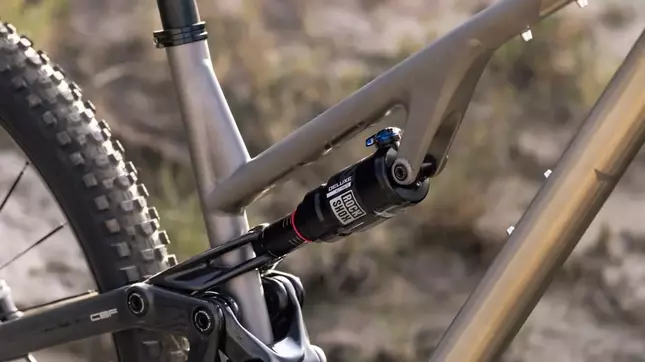
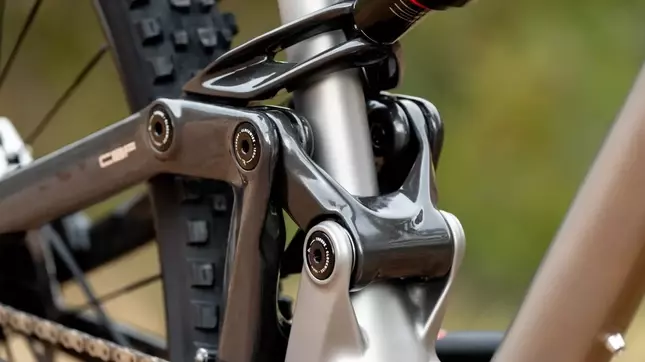
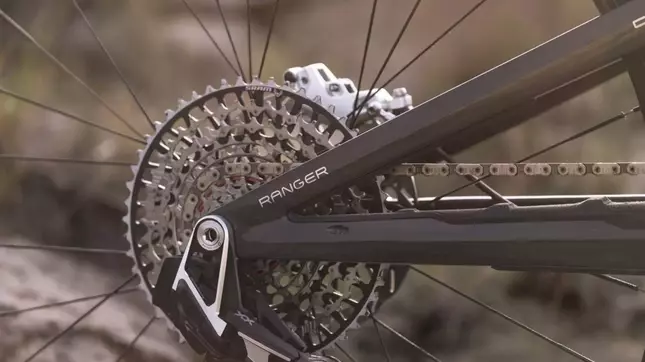
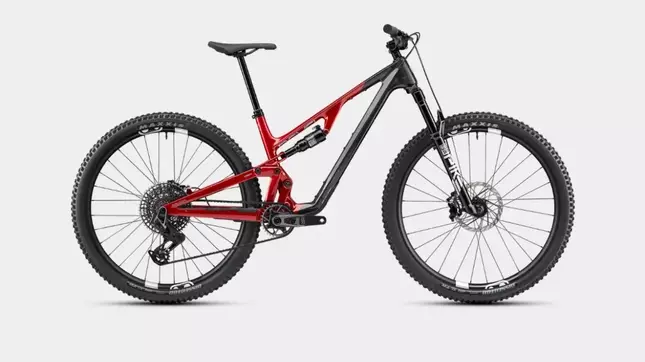

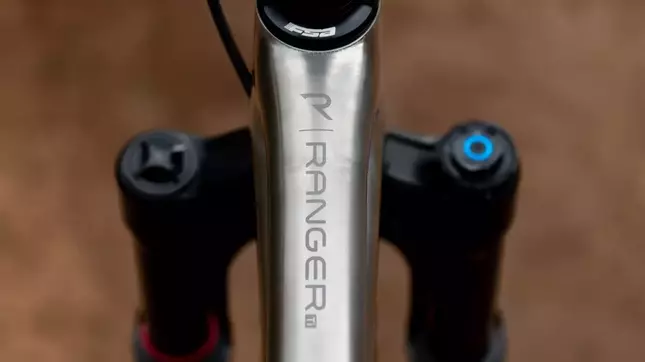
The Ranger Ti represents a significant development for Revel, showcasing the brand's ability to blend traditional material advantages with modern engineering. By incorporating 3D-printed titanium components for crucial frame junctions, Revel has overcome common challenges associated with titanium full-suspension designs, such as weight and kinematic precision. This innovative approach allows the Ranger Ti to offer a ride quality described as exceptionally supple, distinguishing it from conventional carbon frames. Despite being a premium offering with a higher price tag and specific material characteristics, the Ranger Ti embodies Revel founder Adam Miller's vision of pushing boundaries in bike development. This product launch underscores Revel's journey of evolution, particularly following its recent reacquisition by Miller and the continued emphasis on titanium within its product line.
Material Innovation in Bicycle Design
Revel Bikes has pushed the envelope of bicycle manufacturing with the Ranger Ti, introducing a full-suspension mountain bike that merges a titanium front triangle with the established carbon rear triangle and kinematic design of their Ranger V3 model. This strategic combination aims to maintain the high performance standards of the carbon version while introducing the unique ride characteristics of titanium. The development involved overcoming the inherent difficulties of working with titanium, especially in full-suspension frames, which traditionally faced challenges related to weight, strength, and precise pivot placement. Revel's solution leverages advanced 3D printing technology for critical frame junctions, such as the head tube, shock mount, bottom bracket, and pivot interfaces, which are then seamlessly integrated with titanium tubing through welding. This method allows for greater design flexibility and precision, ensuring that the bike's geometry and suspension kinematics remain uncompromised, delivering the desired ride quality.
The decision to produce a titanium full-suspension bike challenges conventional industry wisdom, which often favors carbon for its weight-to-strength ratio in performance-oriented models. However, Revel's founder, Adam Miller, has a long-standing appreciation for titanium, having previously launched Why Cycles, a titanium bike brand now integrated into Revel. The Ranger Ti is a culmination of this expertise and a desire to explore new material applications, blending the stiffness of a carbon rear triangle with the famed 'supple ride feel' of titanium in the front. This innovative construction, while not necessarily yielding a lighter or more affordable product, is driven by a passion for creating a distinct and exceptional riding experience. The limited initial release of 10 individually numbered frames underscores the artisanal and experimental nature of this project, highlighting Revel's commitment to pioneering advancements in bicycle technology and material science.
Ranger Ti vs. Carbon: A Comparative Overview
Comparing the newly launched Ranger Ti with its carbon counterpart, the Ranger V3, reveals a nuanced approach to performance mountain biking, where material choice dictates distinct characteristics despite shared core designs. The primary differentiation lies in the front triangle's construction: the Ranger Ti features a sophisticated blend of titanium tubes and 3D-printed titanium junctions, contrasting with the Toray UD carbon used in the V3. Both models, however, utilize an identical carbon rear triangle and linkage system, ensuring consistent suspension kinematics with 130mm of front travel and 120mm at the rear, coupled with 29-inch wheels. This design philosophy means that critical performance metrics, such as higher anti-squat and progression rates, are preserved across both versions, offering riders a familiar and highly capable platform for XC and downcountry disciplines.
Beyond the structural materials, the Ranger Ti and Ranger V3 carbon frames also exhibit differences in practical aspects like weight and cost. The Ranger Ti, with its titanium front, is notably heavier, with a claimed weight of 8.02lb (3.64kg) for a size large, in comparison to the carbon version, whose weight is not publicly disclosed but is expected to be lighter. This weight differential is accompanied by a significant price premium for the titanium model, costing $5,969 for the frameset, which is $2,170 more than the carbon frame's price of $3,799. While both frames offer full internal cable routing, the carbon V3 boasts co-molded guide tubes for enhanced ease of maintenance. Furthermore, the Ranger Ti provides varying bottle and utility mount configurations based on frame size (4 on M-XL, 3 on S), whereas the V3 carbon frame universally includes 3 bottle mounts and 1 utility mount. These distinctions highlight Revel's strategy of offering riders a choice between a lightweight, performance-focused carbon option and a more unique, ride-feel-centric titanium alternative, catering to different preferences within the high-end mountain bike market.