The Ultimate Anti-Inflammatory Showdown: Tomatoes vs. Blueberries
Chronic inflammation, often subtle in its presence, is a silent contributor to a host of serious health conditions, including diabetes, heart disease, various cancers, and gastrointestinal issues. Fortunately, a potent defense mechanism lies in our dietary choices. A multitude of studies reveal that specific compounds found in fruits and vegetables possess remarkable inflammation-fighting capabilities. This exploration pits two popular, nutrient-dense contenders – tomatoes and blueberries – against each other to uncover their anti-inflammatory strengths and help you optimize your diet.
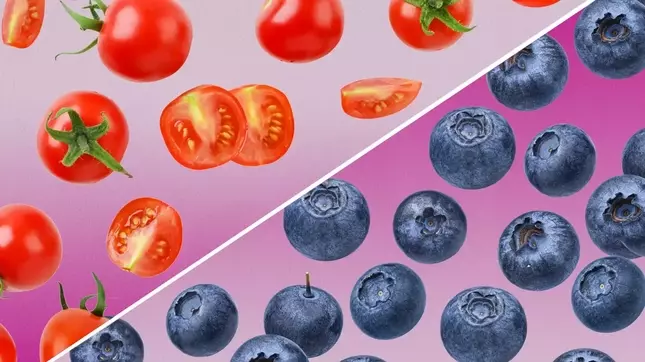
Tomatoes and Blueberries: A Duel of Anti-Inflammatory Powerhouses
For too long, myths have circulated about tomatoes promoting inflammation. However, a wealth of scientific research decisively refutes these claims, emphasizing their significant health advantages. Tomatoes are an exceptional source of lycopene, a carotenoid widely recognized for its profound cardiovascular benefits. According to nutritionist Jackie Newgent, this potent compound, responsible for the tomato's vibrant red hue, is instrumental in mitigating cardiovascular inflammation. Additionally, the synergistic action of vitamin C and beta-carotene within tomatoes further fortifies vascular health, safeguarding blood vessels. Maggie Moon, a registered dietitian, explains that these nutrients actively prevent the oxidation of low-density lipoprotein (LDL), a key process in the formation of arterial plaque. When LDL oxidizes, it triggers inflammatory signals, leading to the accumulation of white blood cells in arteries, which can culminate in coronary heart disease and heart attacks. Beyond their nutritional prowess, tomatoes boast remarkable culinary versatility, seamlessly integrating into countless dishes. From fresh salads to robust sauces and comforting soups, their adaptability is unmatched. Moreover, cooking tomatoes can significantly enhance the bioavailability of lycopene, while pairing them with healthy fats like extra-virgin olive oil further boosts absorption, maximizing their anti-inflammatory impact.
Blueberries, too, are celebrated for their ever-growing list of health benefits, particularly their role in combating chronic inflammation. These delightful berries are brimming with anthocyanins, the plant compounds that impart their characteristic deep blue color and provide powerful anti-inflammatory effects. As noted by Sapna Peruvemba, a registered dietitian, regular consumption of blueberries is associated with a reduced risk of chronic diseases such as heart disease and diabetes. Intriguingly, studies indicate that individuals who consume blueberries more than twice weekly exhibit a 23% lower risk of developing diabetes compared to those who rarely include them in their diet. The power of anthocyanins should not be underestimated. Beyond their direct anti-inflammatory action, blueberries are champions of gut health, a critical component in managing systemic inflammation. The flavonoids in blueberries act as vital support for gut microbes, which produce short-chain fatty acids (SCFAs) that effectively dampen inflammatory responses, as Moon highlights. Furthermore, blueberries surpass tomatoes in fiber content, offering 3.5 grams per serving compared to the tomato's 1 gram. A diet rich in fiber is well-known for promoting digestive regularity and fostering a healthy gut microbiome.
Ultimately, when it comes to harnessing anti-inflammatory benefits, there is no need to pick a winner between tomatoes and blueberries. Both offer distinct yet complementary mechanisms for combating inflammation, as emphasized by our expert dietitians. Incorporating a diverse array of colorful fruits and vegetables, including both tomatoes and blueberries, ensures a broader spectrum of beneficial compounds. The focus should always be on the overall dietary pattern rather than fixating on a single food. A plant-forward diet rich in a variety of anti-inflammatory foods is the most effective strategy for maintaining optimal health and keeping chronic inflammation at bay. The journey to wellness is not about singular heroes, but about a symphony of nourishing choices.